
These small knitting projects for beginners are a fun way to explore my free knitting patterns while practicing the basics and making something useful. When you are learning to knit, a huge project can feel like a lot to take on. A dishcloth, earwarmer, or little bonnet gives you a more manageable place to start! This collection includes simple stitch practice and a few next-step projects for when you are ready to try shaping or knitting in the round. Pick something you would enjoy using, choose a color you love, and give yourself time to learn as you go.
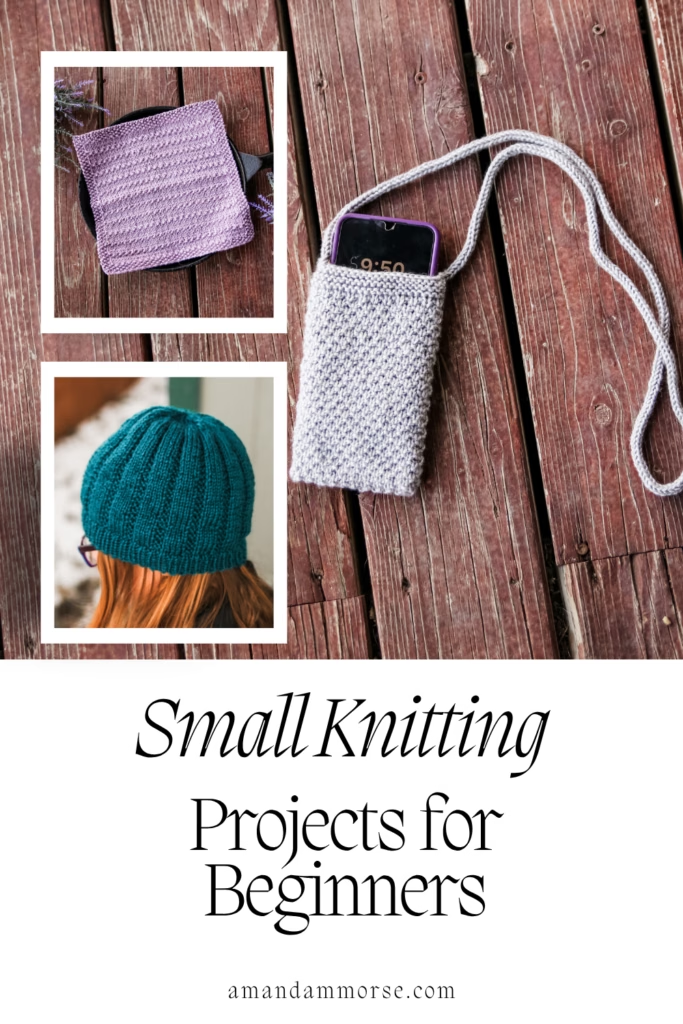
You do not have to knit a whole blanket to get comfortable with your needles. These beginner-friendly small knitting projects give you plenty of practice, with a finished item to look forward to along the way.
Why Choose Small Knitting Projects for Beginners?
I pulled together these patterns because learning to knit is much more fun when you are excited about what you are making. Practicing your stitches matters, but turning that practice into a dishcloth for your kitchen or an earwarmer for chilly mornings makes it feel even more worthwhile.
Small projects also give you room to try something new without committing to weeks of knitting. You can practice switching between knits and purls, following a repeat, or counting your rows on a project that fits easily in your knitting bag.
The patterns in this collection offer different starting points. The dishcloths are helpful for practicing texture without worrying about fit, while the earwarmers and hats introduce working in the round. The bonnets and phone bag give you a chance to explore a little more construction once the basic stitches feel familiar.

Beginner-friendly does not mean every pattern uses exactly the same skills. Read through your chosen pattern before casting on, and look up any unfamiliar techniques so you know what to expect.
If this is your very first project, Leah’s First Scarf or the Michael Dishcloth would be lovely places to begin. There is no need to rush to the next skill before you feel ready.
What Materials Do You Need for Small Beginner Knitting Projects?
What Materials Do You Need for Small Beginner Knitting Projects?
Choosing yarn is part of the fun, but when you are new to knitting, all those options can feel a little overwhelming! Start with the yarn weight recommended in your chosen pattern, then look for a yarn that suits how you will use the finished project.
For hats, earwarmers, and other cozy accessories, my Best Wool Yarn roundup is a helpful place to start. Wool has natural stretch that can be useful while you are learning, and it is a lovely option for warm, comfortable knits.
If you would like wool mixed with other fibers, take a look at my Best Wool Blend Yarn roundup. These yarns offer different combinations of warmth, softness, and care requirements, so you can choose something that works for your project.
For washable accessories and gift knitting, browse my Best Acrylic Yarn roundup. A smooth acrylic yarn in a lighter color can make it easier to see your stitches as you practice knitting, purling, and following a repeat.
Making the Roman Dishcloth or Michael Dishcloth? Head over to my Cotton Yarn roundup for options suited to useful kitchen projects. Cotton shows off stitch texture nicely, so you can watch those little knit-and-purl patterns take shape.
You will also need the needles listed in your pattern, a yarn needle for finishing, and any extras the design calls for, such as stitch markers or buttons. Check your gauge before starting anything that needs to fit, and you will be ready to cast on!
10 Free Small Knitting Projects for Beginners
These patterns let you practice familiar stitches and add new skills a little at a time. Start with the project that fits your current comfort level, or bookmark a few to try as you gain confidence.
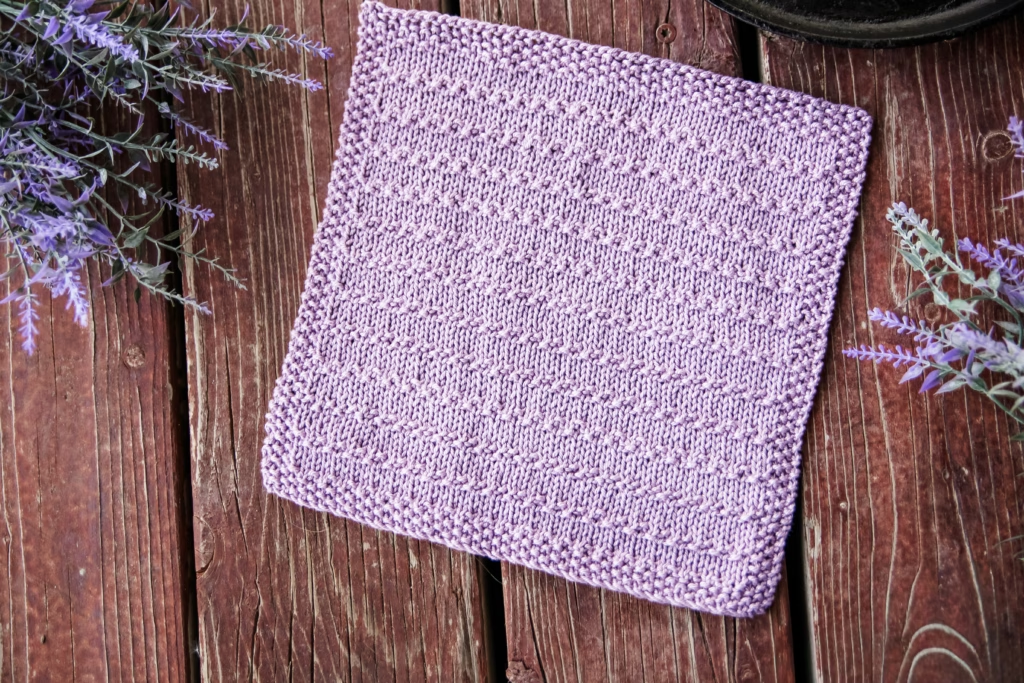
Roman Dishcloth: With seed stitch edges and stripes, this dishcloth gives you a useful place to practice alternating knits and purls and recognizing your stitches. I used KnitPicks Dishie yarn for this one, It is a satisfying choice when you want a small kitchen project with plenty of texture.

Michael Dishcloth: The Michael Dishcloth is worked flat with a wide broken rib texture made from basic knit and purl stitches. Try this one when you want to practice a simple repeat without adding shaping to the mix.

Peace Earwarmer: The Peace Earwarmer combines garter stitch and ribbing in a small accessory worked in the round. It is a helpful next step when you are comfortable with knits and purls and want to try making something seamless.
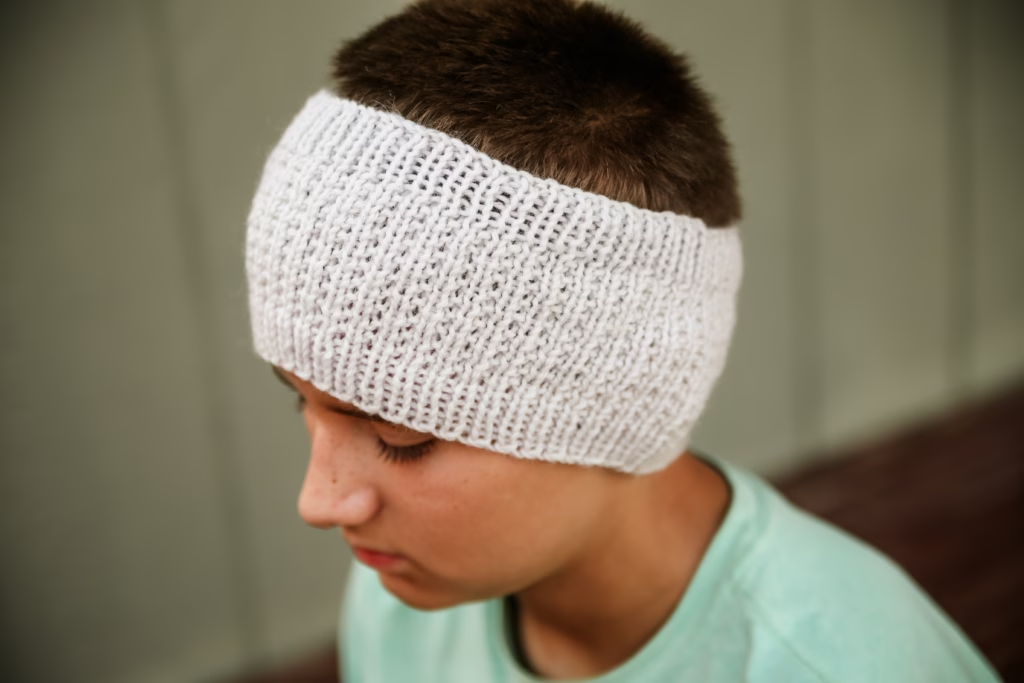
Judah Earwarmer: This earwarmer uses broken rib for an easy-to-follow texture with plenty of repetition. Its small size makes it a manageable project for practicing knitting in the round while making something you can wear.

Michael Beanie: The Michael Beanie takes wide broken rib texture into a wearable hat, with sizes from newborn through adult. It is a good next-step project for learning crown decreases after you have practiced your knit-and-purl stitches.

Dathan Hat: The Dathan Hat uses knits and purls to create a basketweave texture, followed by decreases to shape the crown. Choose this one when you want to practice tracking a longer repeat while knitting a useful accessory.

Broken Rib Bonnet: This little bonnet is worked flat with a repeating broken rib texture, making it a sweet project for knitters who enjoy knits and purls. Read through the crown and finishing instructions first so you are ready for the steps that turn your knitting into a bonnet.

Maine Bonnet: The Maine Bonnet uses stockinette stitch, crown decreases, and a sewn back seam to create a simple photo prop. It is a next-step beginner project, and the brushed yarn calls for a little extra care when counting stitches.

Leah’s First Scarf: Designed by my daughter as her first knitting project, this buttoned scarf is worked flat in garter stitch. You will get plenty of knit-stitch practice before adding simple buttonholes and optional tassels.
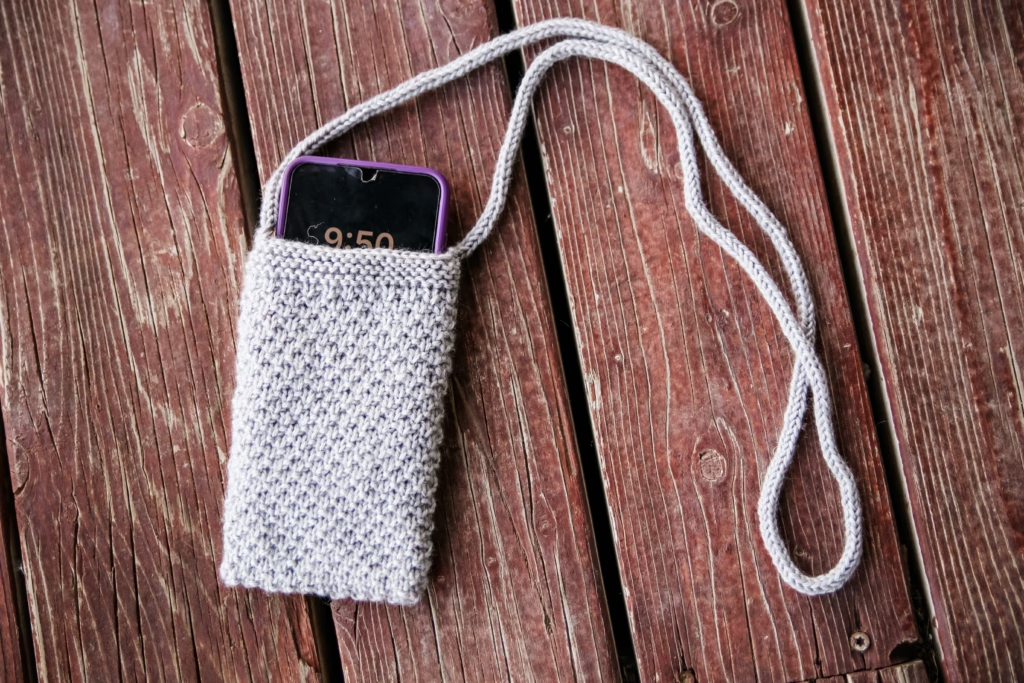
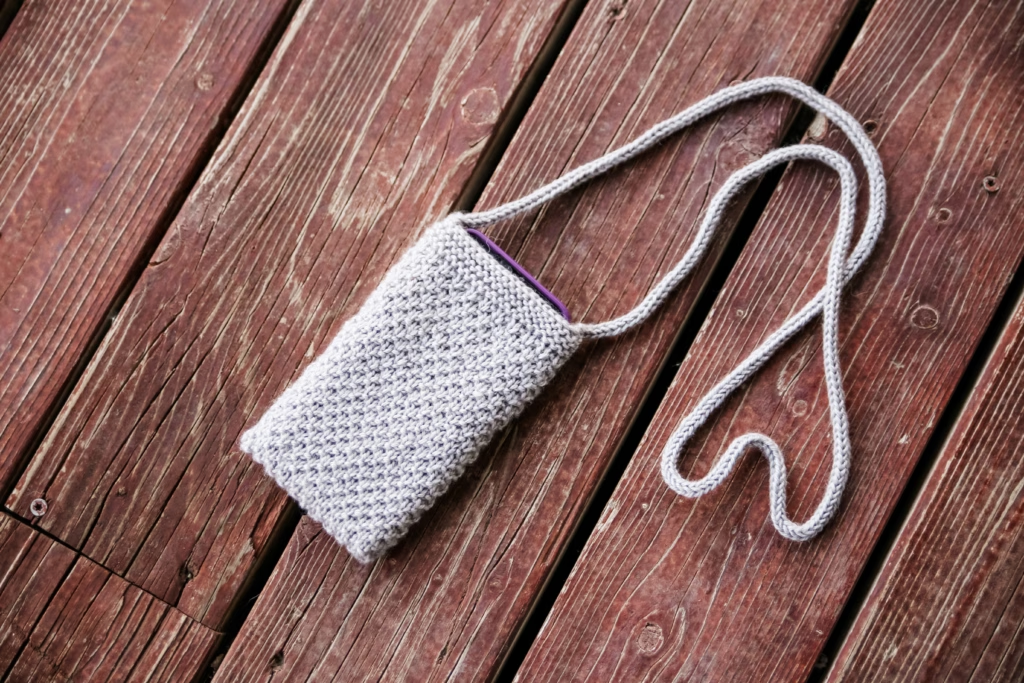
Aaron Phone Bag: The Aaron Phone Bag pairs an all-over broken moss stitch texture with an i-cord strap for a useful little accessory. Save this one for when you are ready to learn the two-needle cast-on used for its base and work in the round alongside your familiar knits and purls.
You can work through this list at your own pace. Making a second dishcloth or earwarmer in a different color is just as worthwhile as moving on to a new pattern, especially when you are still building confidence.

The best small knitting projects for beginners are the ones that keep you interested enough to pick up your needles again. Whether that means a cotton dishcloth, a cozy hat, or your very first buttoned scarf, you will be learning with every row.
Which of these projects would you like to try first? Leave a comment and tell me what you are casting on!
This post may contain affiliate links, which means I may earn a small commission if you make a purchase through one of my links, at no extra cost to you. Thank you for supporting my free knitting patterns and tutorials!