
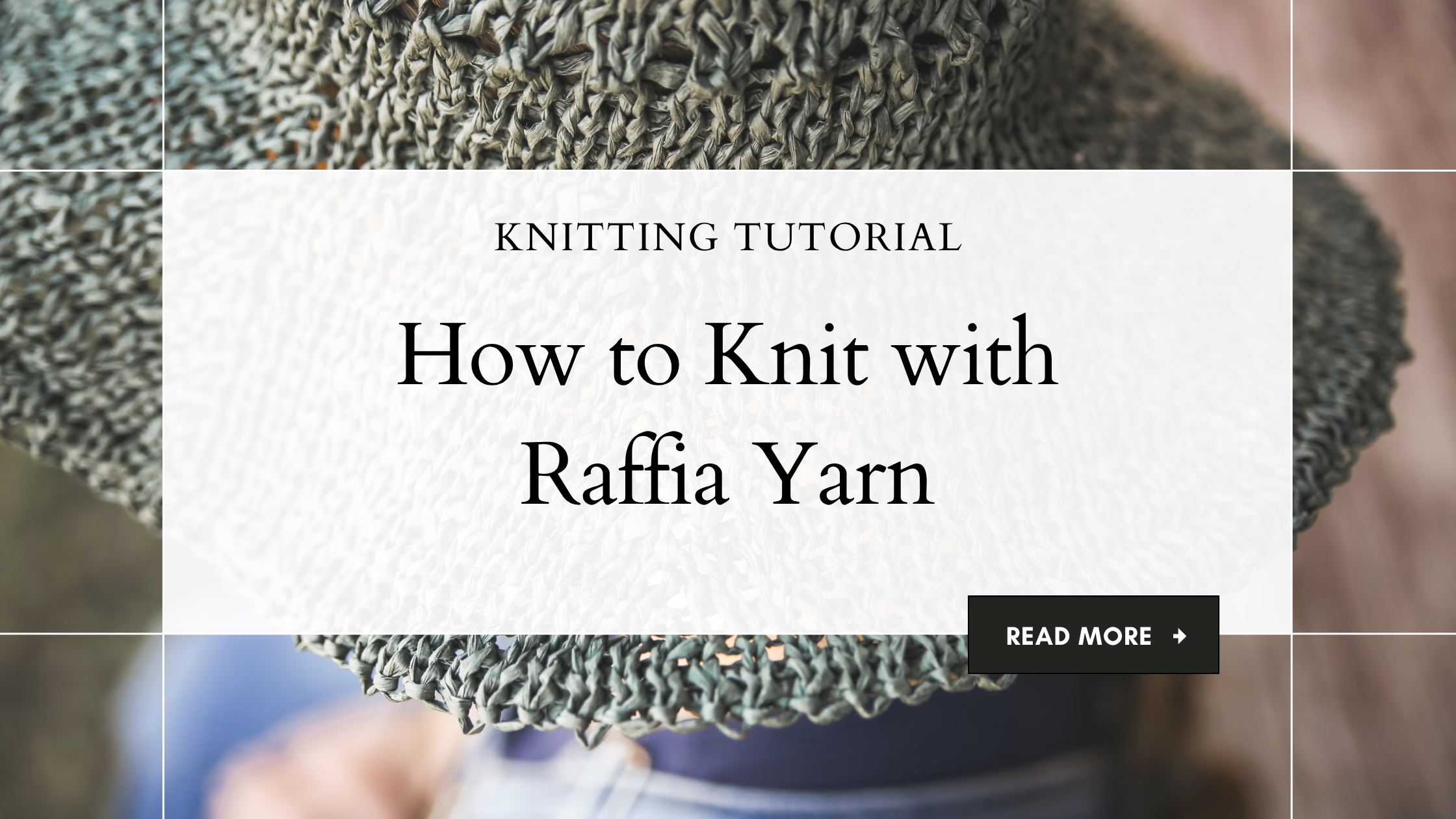
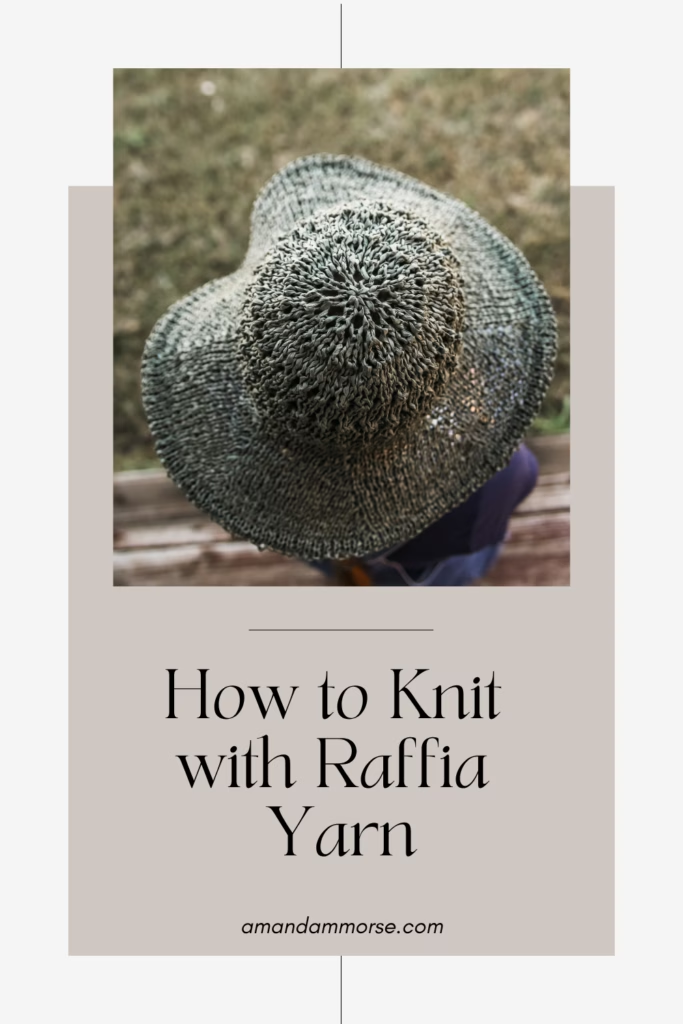
Learning how to knit with raffia yarn can help you create lightweight, structured accessories while adding a new material to your collection of free knitting tutorials. Raffia behaves differently from wool, cotton, and acrylic yarn, but a few simple adjustments can make it much easier to handle.
Raffia yarn is firmer, less stretchy, and sometimes more slippery than traditional knitting yarn. The key is choosing needles that allow the raffia to move comfortably, keeping your tension relaxed, and avoiding pulling stitches too tightly. This tutorial covers how to choose your needles, join a new strand, manage stiff yarn, work loose yarn overs, and shape your finished project. Once you understand how to knit using raffia yarn, projects like the Camp Hat become much more comfortable and enjoyable to make.
Knitting with raffia takes a little patience at first, especially if you are accustomed to soft yarn that stretches easily between your fingers. Instead of trying to force the raffia to behave like wool, allow the stitches to sit loosely on the needles and give your hands frequent breaks.
The finished fabric will usually feel firmer than a typical knitted fabric. This structure is exactly what makes raffia a useful choice for sun hats, bags, baskets, and other projects that need to hold their shape.
What Needles Should You Use When Knitting with Raffia Yarn?
Smooth knitting needles are usually the easiest choice when learning how to knit with raffia yarn. Metal needles allow the stiff strands and completed stitches to slide more easily, while grippy wooden or bamboo needles may create too much friction.
For my Camp Hat, I use US size 9 double-pointed and circular needles with Premier Yarns Raffia. The larger needle size gives the raffia enough room to move without creating a fabric that feels overly tight or rigid.
Your exact needle choice may depend on the raffia brand, the pattern gauge, and your personal tension. If the stitches are difficult to move along the needle, your tension may be too tight or your needles may be too small.
Avoid gripping the yarn or needles too firmly as you knit. Raffia does not have the same natural stretch as wool, so tight stitches can become difficult to work and may cause hand fatigue.

It can also help to use circular needles with a smooth join between the needle tip and cable. A bulky or rough connection can catch the raffia each time you move your stitches around the needle.
Always knit a small gauge swatch before beginning a larger raffia project. This gives you a chance to test your needle material, adjust your tension, and see how the finished fabric responds to shaping.
How Do You Knit with Raffia Yarn Without Hurting Your Hands?
The best way to knit with stiff raffia yarn is to slow down and keep your movements relaxed. Let the strand rest lightly over your fingers instead of wrapping it tightly for extra control.
Because raffia can be firmer and less flexible than standard yarn, long knitting sessions may make your hands feel tired. Take regular breaks, stretch your fingers, and avoid trying to finish several hours of knitting at once.
Keep your stitches loose enough that they move easily along the needle. You should not have to push or pull hard to insert the needle into the next stitch.
Your tension may feel more uneven at first, but it usually becomes steadier once you find a comfortable way to hold the raffia. Focus on forming each stitch without tightening it afterward.
When working yarn overs, leave a little extra room around the needle. A tight yarn over can be difficult to work on the following round and may make the decorative opening much smaller than intended.

It can help to spread the stitches slightly on the right-hand needle after completing a yarn over. This prevents the raffia from tightening as you work the next stitch.
The Camp Hat uses yarn over increases to create decorative stripes throughout the crown and brim. Keeping those yarn overs relaxed allows the openings to remain visible and makes the next round easier to knit.
How Do You Join a New Strand of Raffia Yarn?
Joining raffia yarn is slightly different from joining a soft wool yarn because the ends may not blend neatly into the fabric. Whenever possible, join the new strand in a less noticeable area rather than directly at the front of the project.
Leave several inches of both the old and new strands for finishing. Begin knitting with the new strand while holding the tails securely, but do not knot the strands together unless the pattern or yarn manufacturer recommends it.
You can weave the ends through the back of the finished fabric using a tapestry needle. Because raffia can be slippery or stiff, weave each tail in more than one direction to help keep it secure.
Avoid pulling the woven ends too tightly. Tightening the ends can distort the surrounding stitches or create a noticeable bump in the fabric.
After weaving the ends in, trim them carefully while leaving enough length that they will not immediately work loose. Check the wrong side of the fabric to make sure the join feels secure before wearing or using the project.
How Do You Shape or Block a Finished Raffia Hat?
Raffia usually does not respond to traditional wet blocking in the same way as wool. Always check the care instructions for your specific yarn before soaking, steaming, or applying heat.
For a finished raffia hat, gentle shaping is often more useful than heavy blocking. Place the crown over a rounded bowl, hat form, or another object that is close to the desired size and shape.
Arrange the brim so it lies evenly around the hat. You can gently press or smooth the fabric with your hands, but avoid sharply bending the raffia unless you want a permanent crease.
If the yarn instructions allow light moisture, you may be able to lightly dampen the hat before shaping it. Leave it on the form until it is completely dry.
Do not use a hot iron directly on raffia yarn. High heat may damage, flatten, melt, or discolor some raffia fibers, especially synthetic versions.
Once the hat is dry, adjust the brim with your hands. The firm knitted fabric should help the finished hat maintain its structure while still feeling lightweight enough for warm weather.
What Raffia and Summer Hat Patterns Can You Knit?
After you learn how to manage raffia yarn, a structured summer hat is a practical project for practicing relaxed tension, yarn over increases, and shaping.
These patterns offer several ways to practice lightweight hat construction, decorative increases, and comfortable tension. You can begin with a familiar yarn in the Sage or Wyola Hat before moving on to the structured raffia used in the Camp Hat.
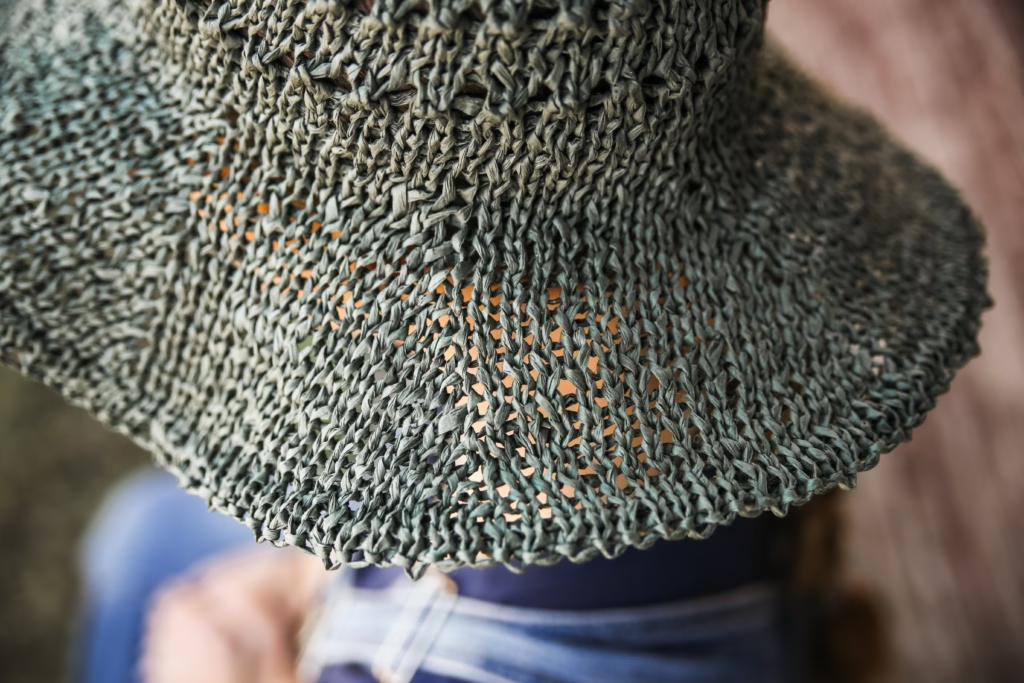
Learning how to knit with raffia yarn is mostly about adjusting your expectations and relaxing your tension. Raffia will not stretch or slide exactly like wool, but its firmness creates a lightweight fabric that holds its shape beautifully.
Use smooth needles, work slowly, keep your yarn overs loose, and take breaks whenever your hands begin to feel tired. Once you become comfortable handling the material, raffia can be a fun option for practical summer accessories.

Have you knitted with raffia yarn before, or are you planning to make the Camp Hat? Leave a comment below and tell me about your experience working with raffia.
This post may contain affiliate links. If you purchase something through one of these links, I may earn a small commission at no additional cost to you.
This is great information. Have you ever used wire on the brim in your patterns to keep the brim from curling etc. ?
I have. it can help to keep the brim out instead of down as well.