
Learning how to knit a dishcloth in the round is a helpful way to make a practical kitchen project without starting at one edge and working straight across. This method creates a dishcloth that grows from the center outward, giving you a tidy shape, interesting construction, and plenty of room to add simple stitch details. It is a great addition to your collection of free dishcloth knitting patterns when you want to try something a little different from a basic square.
If you have wondered how to knit a dishcloth in the round but felt unsure where the corners come from or how the cloth becomes a square, this tutorial walks you through the process. Most center-out dishcloths begin with a small cast-on in the middle, then use increases to grow the fabric evenly. Once you understand where those increases go, you can make a smooth square dishcloth that is useful for everyday dishes, counters, and gifts.
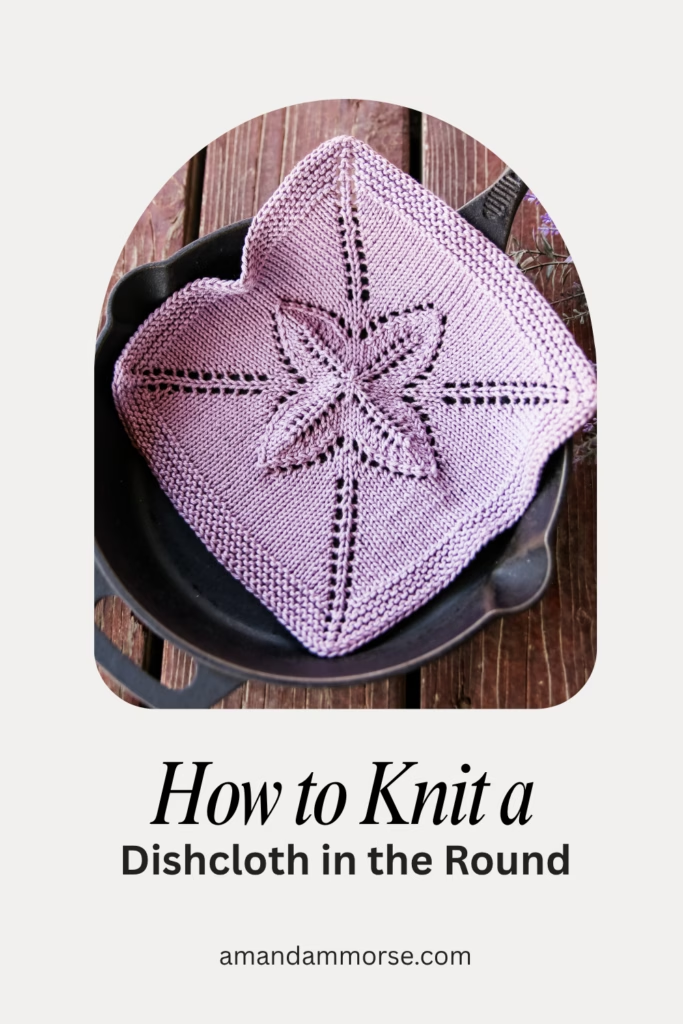
A dishcloth worked in the round can look much more complicated than it really is. You are simply repeating a few increase sections while watching the square grow bigger with every round.
This is also a nice method for knitters who enjoy seeing their project take shape right away. Instead of waiting until the end to see the finished design, you get to watch the center detail and corners appear as you knit.
What Materials Do You Need to Knit a Dishcloth in the Round?
To knit a dishcloth in the round, you will need cotton yarn, knitting needles that work well with your yarn weight, stitch markers, and a tapestry needle for weaving in the ends. Cotton yarn is usually the best choice because it is absorbent, durable, easy to wash, and useful for everyday kitchen jobs.
I like using KnitPicks Dishie for dishcloths because it comes in so many colors and has enough structure to show off simple knit and purl texture. A worsted weight cotton yarn also makes it easy to create a sturdy cloth without needing tiny needles or a long knitting time.
For most worsted weight cotton dishcloths, a size 5 or 6 knitting needle works well. You can use double-pointed needles, a short circular needle, or a longer circular needle with the magic loop method, depending on what feels most comfortable in your hands.
You may also want a few locking stitch markers if you like keeping track of each corner. They are especially helpful when you are first learning how to knit a dishcloth in the round because they make the increase sections easier to spot.
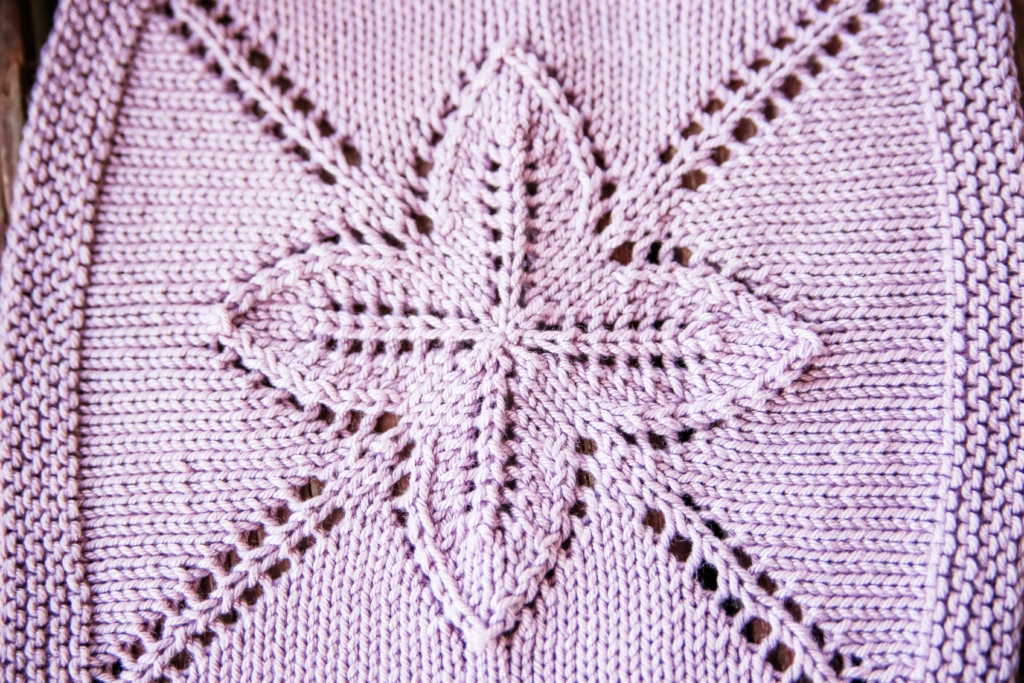
A center-out dishcloth does not need a lot of supplies, which is part of what makes it such a satisfying project. A single ball of cotton yarn can often make one dishcloth, depending on the finished size and stitch pattern.
Choose a color you will enjoy seeing in your kitchen, because these are the kind of projects you may end up making again and again.
How Do You Knit a Dishcloth in the Round from the Center Out?
When you knit a dishcloth in the round from the center out, you begin with a small number of stitches in the middle. From there, you work increases in specific places so the dishcloth grows evenly in four directions.
The key to keeping the shape square is placing increases at the corners. Each corner increase section creates more fabric where the square needs to expand, while the stitches between the corners become the sides of the dishcloth.
Many center-out dishcloth patterns begin with a small center detail, such as leaves, eyelets, garter ridges, or simple textured sections. After the center is complete, the pattern usually shifts into regular corner increases until the dishcloth reaches the size you want.
As you work, stop every few rounds and spread the fabric out on your lap. This makes it easier to see whether the corners are forming clearly and whether your stitch markers are still in the right places.
If your dishcloth starts looking more like a circle than a square, check that you are making the same number of increases at each corner. If one corner is missing an increase, the shape can begin to pull unevenly.
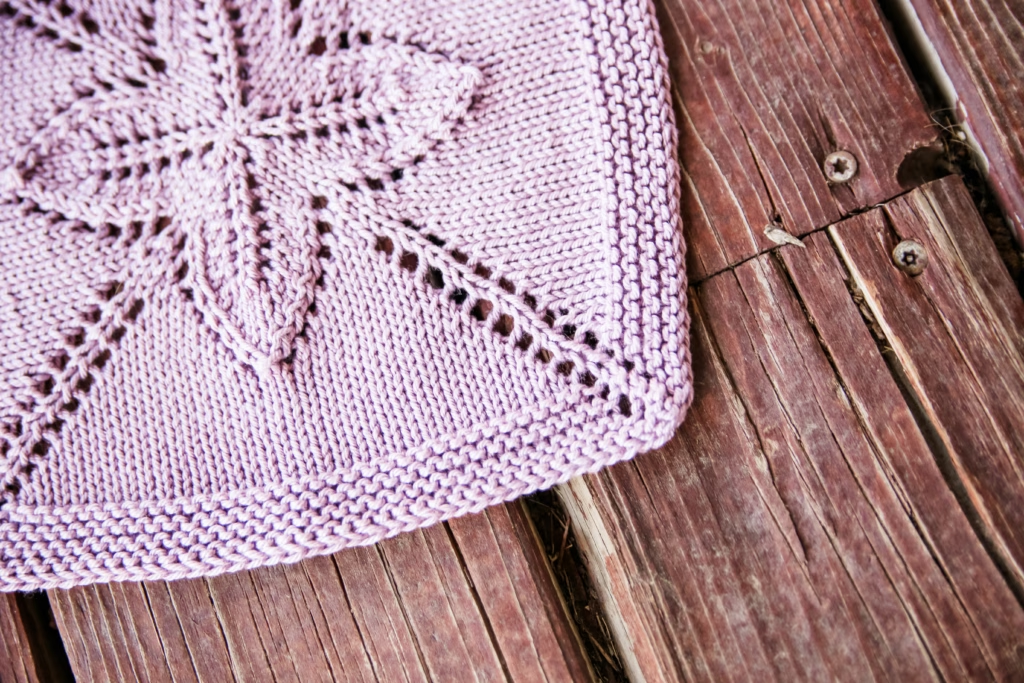
Once your dishcloth is close to the finished size, bind off loosely so the edge stays flat. Cotton does not always stretch as much as wool, so a tight bind off can make the outer edge pull inward.
After weaving in the ends, give your dishcloth a quick wash and lay it flat to dry. This helps the stitches settle and gives the finished cloth a neat, even shape.
What Dishcloth and Hat Patterns Use This Same Method?
Once you know how to knit a dishcloth in the round, you can use the same basic idea in other projects too. The center-out construction is not only useful for dishcloths; it can also help you understand shaping in hats and other knit projects.
The Sage Dishcloth is a pretty center-out dishcloth with leaf details growing from the middle. It is a great next project when you want to practice this method in a finished pattern with a little more texture and shaping.
The Wyola Hat and Sage Hat are not dishcloth patterns, but they use similar ideas of working outward from a central point and paying attention to shaping sections. Trying projects with related construction can help the method feel more familiar each time you use it.
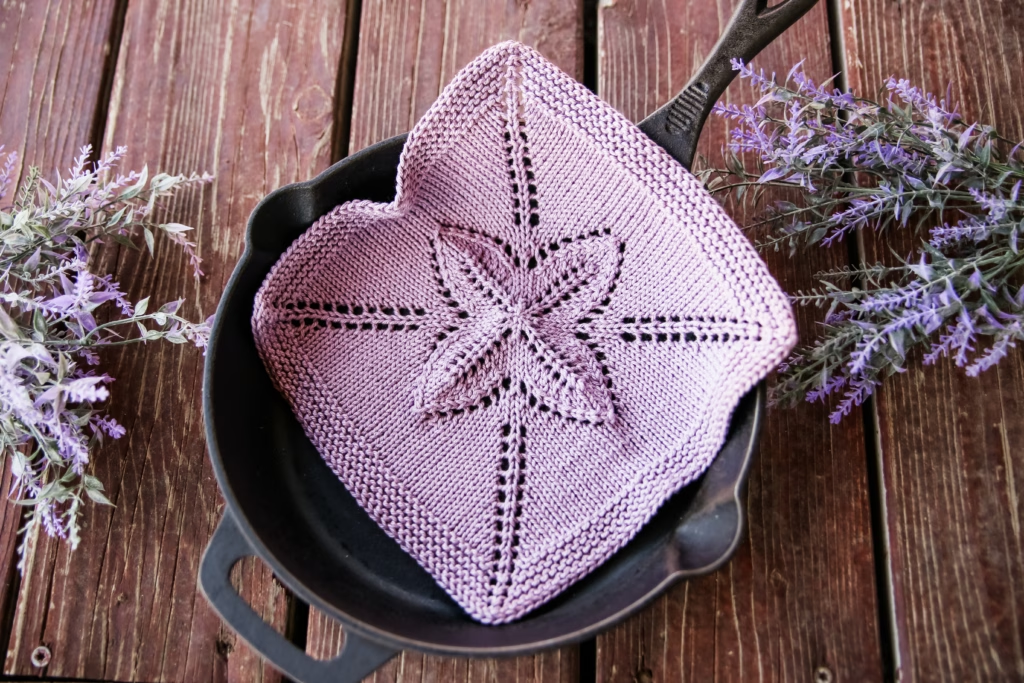
Knowing how increases shape a project gives you more confidence when you pick up new patterns. Once you understand how the corners of a dishcloth grow, it becomes much easier to recognize why increases and stitch markers are placed where they are.
A dishcloth is a low-pressure place to practice because it is small, useful, and easy to finish. Even if your first one is not perfectly square, it will still be a hardworking cloth for your kitchen.
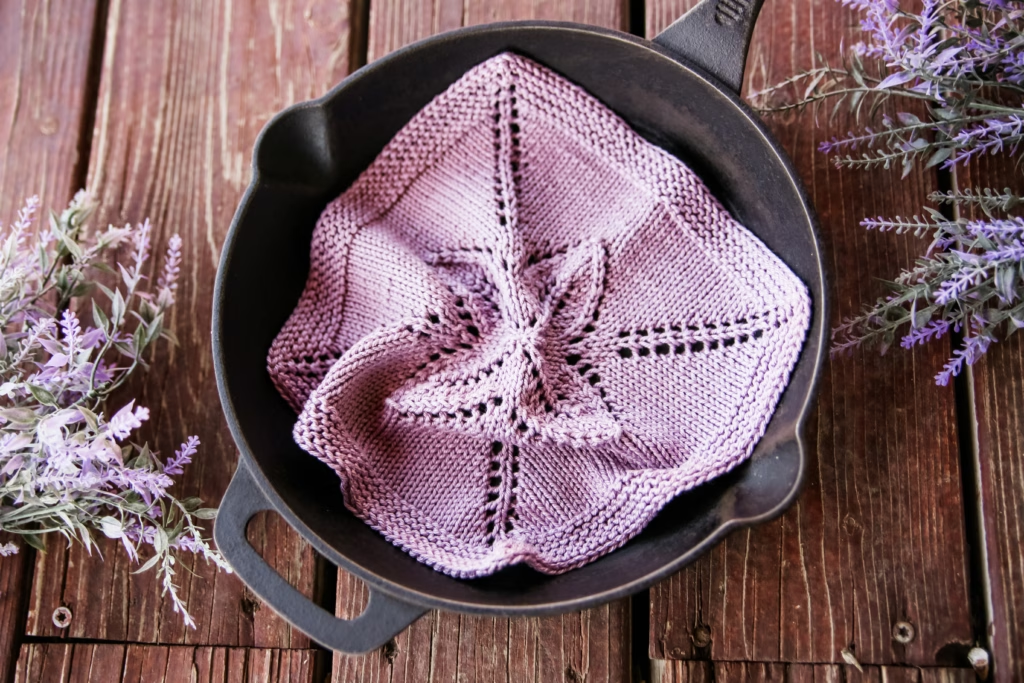
Have you ever knit a dishcloth in the round, or are you planning to try one for the first time? Tell me in the comments which color of cotton yarn you would use for your next center-out dishcloth.
This post may contain affiliate links. If you make a purchase through one of these links, I may earn a small commission at no extra cost to you. Thank you for supporting my blog and helping me keep free knitting patterns and tutorials available.