

This KnitPicks Dishie review looks at one of my favorite cotton yarns for making the projects in my free dishcloth knitting patterns collection. A kitchen cloth needs to do more than look pretty beside the sink. It needs to absorb water, feel useful in your hand, and handle regular washing.
I’ve used Dishie for dishcloths with both texture and lace, including the Roman Dishcloth and Deborah Dishcloth. If you’re wondering whether this cotton belongs in your knitting basket, here’s what makes it a practical choice—and what to consider before casting on.
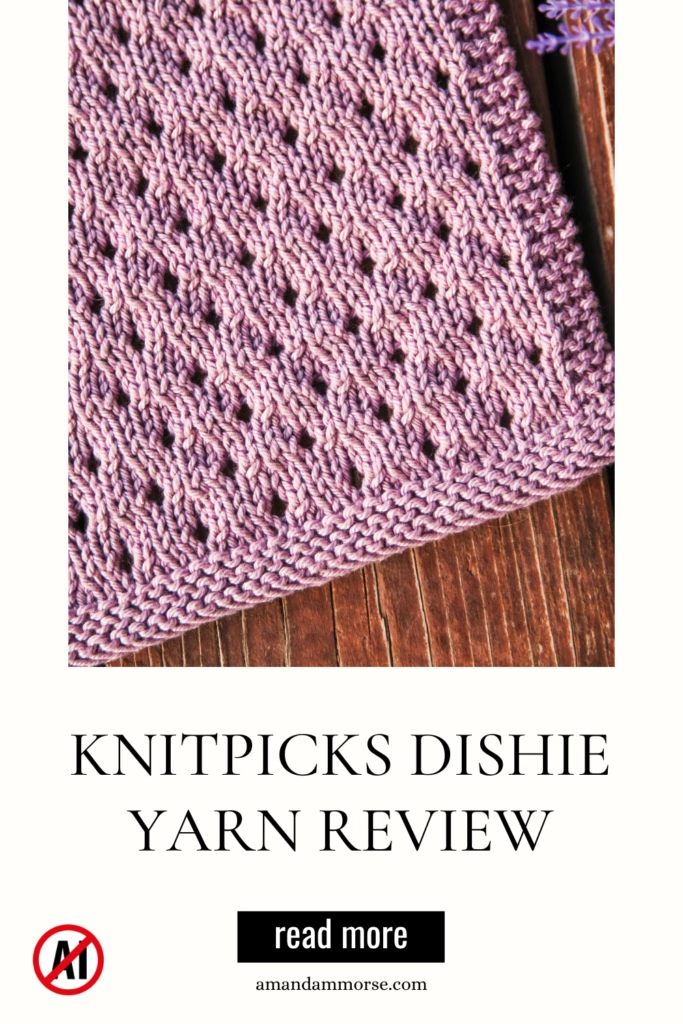
Dishcloths are small projects, but yarn choice makes a difference. A beautiful stitch pattern won’t make up for a cloth that feels flimsy or needs more careful washing than you want to give it.
Dishie gives me the sturdy, usable fabric I look for in kitchen knitting. It also lets me enjoy the details, whether I’m working simple knit-and-purl texture or adding eyelets to a cloth.
What Materials and Yarn Details Should You Know About KnitPicks Dishie?
KnitPicks Dishie is a worsted-weight, 100% cotton yarn with 190 yards per 100-gram skein. It is designed for practical household projects, which makes it a natural place to start when you’re choosing yarn for dishcloths.
See KnitPicks Dishie and the available colors here.
For my Roman and Deborah Dishcloths, I used US size 5 (3.75 mm) needles. Always follow the individual pattern’s gauge and needle guidance; the size on a yarn label is a starting suggestion rather than a requirement for every project.
You’ll also need scissors and a yarn needle to finish your cloth. Stitch markers can be helpful if you like separating a border from the main stitch pattern.
If you’re comparing fibers and brands, my Best Yarn for Dishcloths guide can help you choose. For coordinated colors or several kitchen projects, take a look at 5 Best Cotton Yarn Multipacks for Dishcloths.
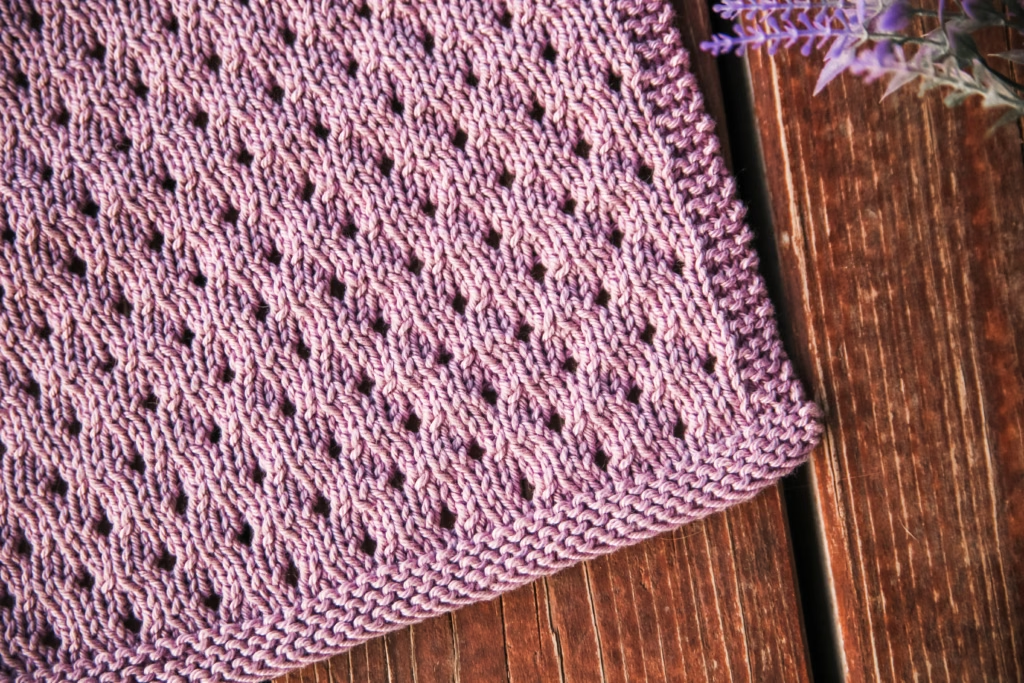
Check the yardage listed in your chosen pattern before deciding how many skeins to buy. Dishcloth sizes and stitch patterns vary, so one skein won’t make the same number of cloths in every design.
I like solid colors when the stitches are the main attraction. A coordinated group of solids also makes it easy to put together a set without losing the detail of each pattern.
Is KnitPicks Dishie Absorbent Enough for Kitchen Use?
Absorbency is one of the reasons cotton makes sense for dishcloths. Dishie is made to take up water, making it suitable for wiping and washing rather than simply decorating the kitchen.
That practical purpose is why I keep choosing it for these projects. I want a finished cloth that someone can reach for during an ordinary day, without wondering whether it is too delicate to use.
The stitch pattern matters, too. A closely textured cloth and an open lace cloth will feel different even when you knit both with the same yarn. Choose the fabric as well as the fiber to suit the job you have in mind.
Like other cotton cloths, a wet Dishie dishcloth needs room to dry between uses. Rinse it, squeeze out the excess water, and spread it out rather than leaving it crumpled beside the sink.
How Does Dishie Feel, and Does It Show Stitches Well?
Dishie has the substantial cotton feel I want for a kitchen cloth. I wouldn’t describe it as a silky garment yarn, but that firmer character suits a project intended for wiping and everyday handling.
I like its stitch definition, especially in designs where alternating knits and purls create the pattern. The Roman Dishcloth’s seed stitch bands are a good example of texture that benefits from a smooth yarn.
Eyelets offer a different way to use that definition. In the Deborah Dishcloth, the openings provide the detail; in a textured cloth, the raised and recessed stitches do the work.
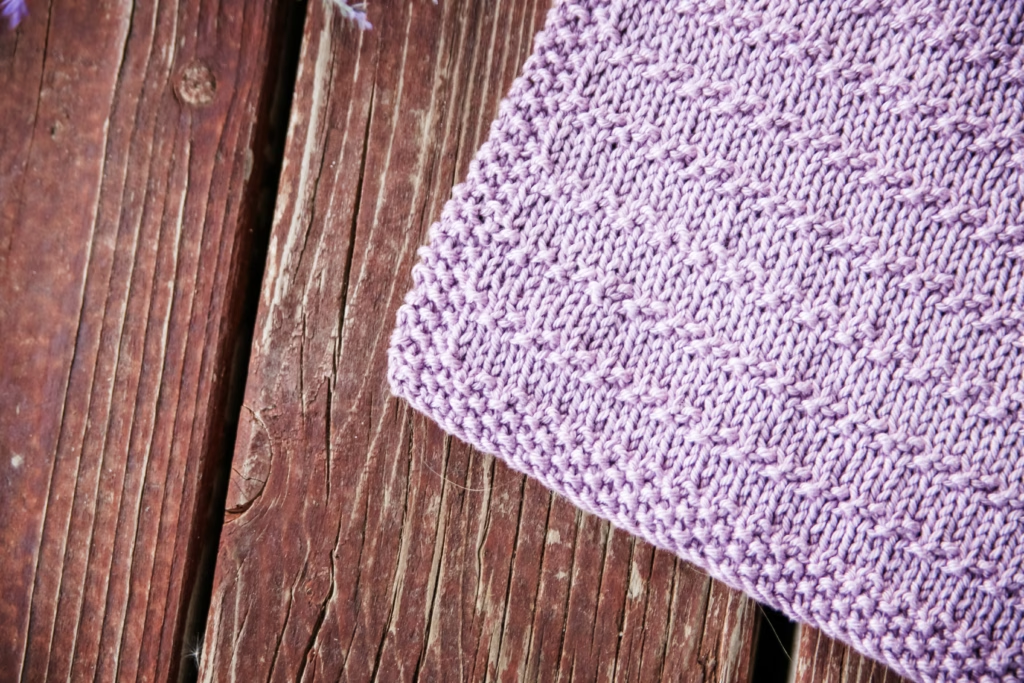
The main tradeoff while knitting is cotton’s limited stretch. It doesn’t give under your hands the way a springy wool yarn does, and pulling every stitch tight can make the work feel harder than it needs to.
Keep your grip comfortable and let the stitches move along the needles. If the fabric feels overly stiff, check your tension against the pattern before carrying on. A sturdy cloth should still be comfortable to handle.
Is Dishie Durable, and Can You Machine Wash It?
Durability is another reason Dishie fits my kitchen knitting. Its tightly spun construction suits projects that get handled and washed regularly, and I like the substantial fabric it creates for dishcloths.
That doesn’t mean any knitted cloth will stay unchanged forever. Use, laundering, stitch pattern, and tension all affect how the fabric wears. Securely woven ends are part of making a cloth that is ready for regular use.
KnitPicks lists Dishie’s care as machine wash gentle cold and tumble dry low. Straightforward care is a real benefit for a project that will need frequent washing.
I recommend washing your first cloth using the method you plan to use afterward. Cotton can change size with laundering, especially with heat, so check the finished fabric before knitting a whole matching stack.
For gifts, include the care instructions with the cloths. It is a simple way to help someone feel comfortable putting your knitting to use.
What Can You Knit With KnitPicks Dishie?
Dishcloths are my favorite starting point for this yarn. These five patterns give you a choice of eyelets, lace, and texture:
- Deborah Dishcloth — An eyelet design that adds a little openwork to a practical cotton kitchen cloth.
- Roman Dishcloth — Seed stitch edges and textured bands for a cloth with clear knit-and-purl detail.
- Damask Dishcloth — A detailed-looking texture made with knit and purl stitches.
- Miriam Dishcloth — A lace ripple design when you want to bring waves and eyelets into your kitchen knitting.
- Sage Dishcloth — Another useful option for adding variety to a handmade dishcloth set.
Try one pattern to get a feel for the yarn, then choose another with a different texture. Using the same color across several designs is a lovely way to make a coordinated set while keeping each cloth interesting.

For me, Dishie earns its place through absorbency, clear stitches, sturdy fabric, and easy care. The firmer feel and lack of stretch are worth considering if you prefer very soft, springy yarns, but they don’t put me off using it for kitchen projects.
My answer in this KnitPicks Dishie review is yes: I like it for practical dishcloth knitting. It suits the kind of small, useful projects I enjoy making and sharing.
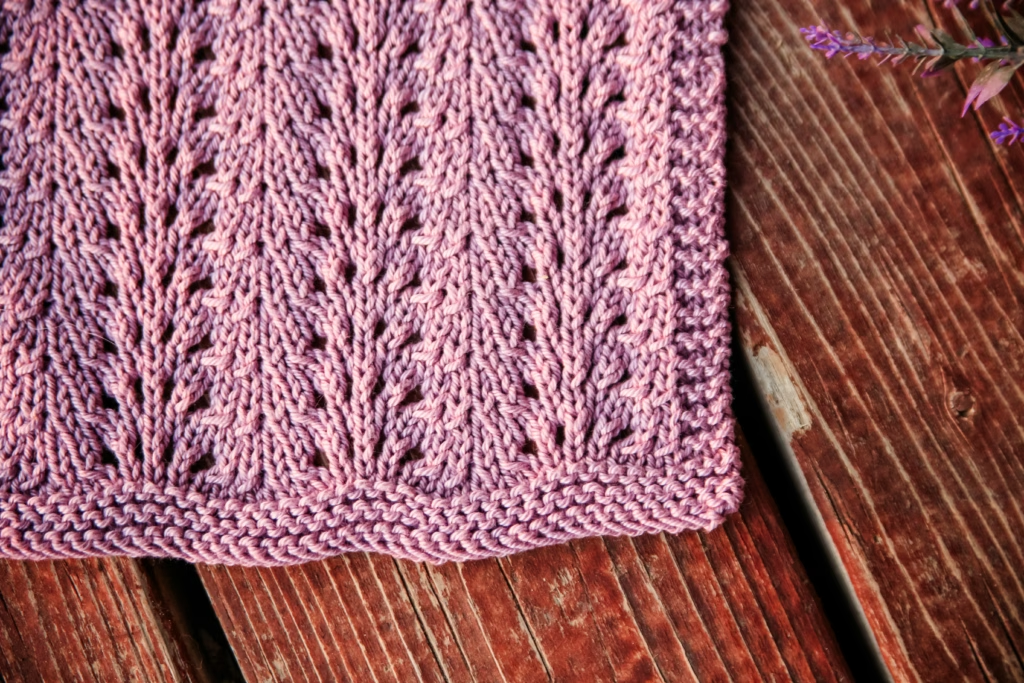
Have you knitted dishcloths with Dishie? Leave a comment and tell me which pattern you made and how you liked working with the yarn!
This post may contain affiliate links. If you purchase through one of my links, I may earn a small commission at no extra cost to you.