
Learning how to knit an afterthought heel is a wonderfully flexible way to finish a pair of hand-knit socks, and it is a useful technique to add to your collection of knitting tutorials. Instead of shaping the heel while you knit the sock, you place a short section of waste yarn where the heel will eventually go, continue knitting the sock tube, and return to the heel later.
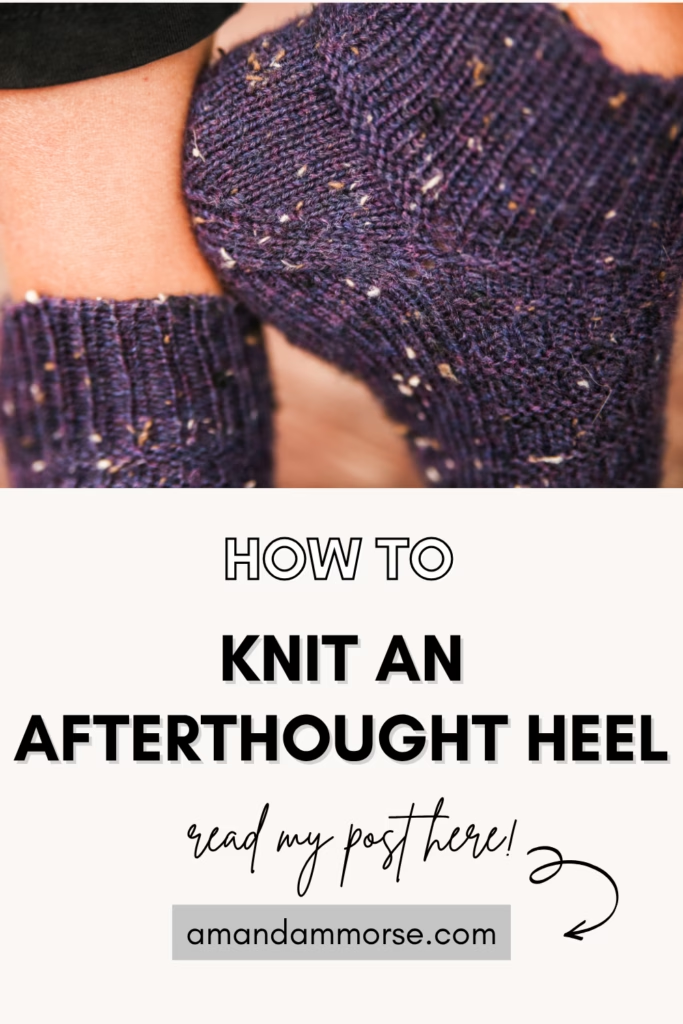
This method makes it easy to keep your sock knitting simple and uninterrupted. Once the rest of the sock is finished, you remove the waste yarn, pick up the live stitches, and knit the heel in the round. If you can knit a sock toe, you can absolutely knit an afterthought heel!
An afterthought heel is especially handy when you want contrasting heels, easy-to-replace heel sections, or a smooth tube-style sock construction.
The basic idea is surprisingly simple: the waste yarn temporarily holds the heel opening while you finish the rest of the sock. When you are ready, that yarn is removed to reveal two sets of live stitches.
From there, the heel is shaped much like a wedge toe, with decreases worked on each side until only a small number of stitches remain.
What Do You Need to Knit an Afterthought Heel?
To knit an afterthought heel, you will need your sock yarn, a small amount of smooth waste yarn, knitting needles in the same size used for the sock, and a tapestry needle for finishing.
Choose waste yarn that is a noticeably different color from your sock yarn. A smooth cotton or acrylic yarn works particularly well because it is easy to see and remove. Avoid fuzzy yarn, which can become tangled in the surrounding stitches.
You may also find it helpful to have two smaller circular needles or a set of double-pointed needles ready for picking up the heel stitches.
The afterthought heel can be added to socks worked from the cuff down or the toe up. The important part is deciding where the wearer’s heel should sit before inserting the waste yarn.
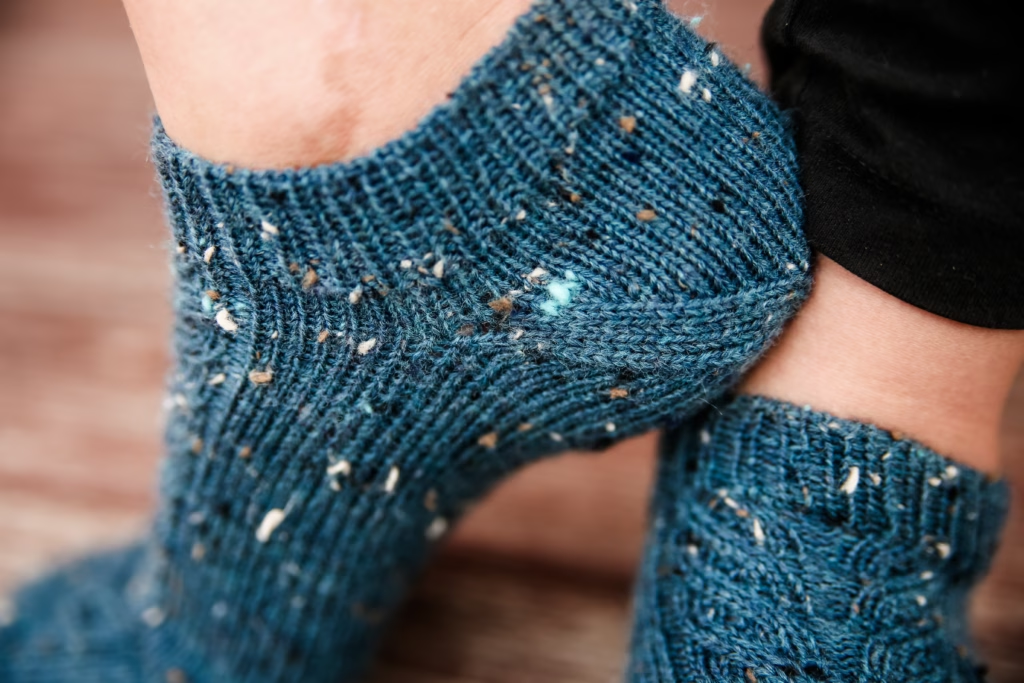
For the best fit, try the sock on before placing the waste yarn whenever possible. The waste-yarn stitches should sit where the bend of the ankle meets the back of the heel.
Remember that the finished heel will add depth to the sock, so the waste yarn does not need to reach all the way to the bottom of the foot.
How Do You Knit an Afterthought Heel?
First, knit the sock until you reach the point where the heel should begin. Using a separate piece of waste yarn, knit across approximately half of the sock stitches.
For example, if your sock has 60 stitches, you would normally knit 30 stitches with the waste yarn. Slip those waste-yarn stitches back onto the left needle, then knit across them again using your main sock yarn.
The waste yarn is now trapped inside the knitting and marks the future heel opening. Continue knitting the remainder of the sock according to your pattern.
Once the sock tube, foot, and toe are complete, you can return to the heel.
Before removing the waste yarn, carefully pick up the stitches directly above and below it. Insert one needle through the right legs of the stitches above the waste yarn and another needle through the stitches below it.
Work slowly and make sure you have captured every stitch. Picking up the live stitches before pulling out the waste yarn helps prevent dropped stitches and makes the process much less stressful.
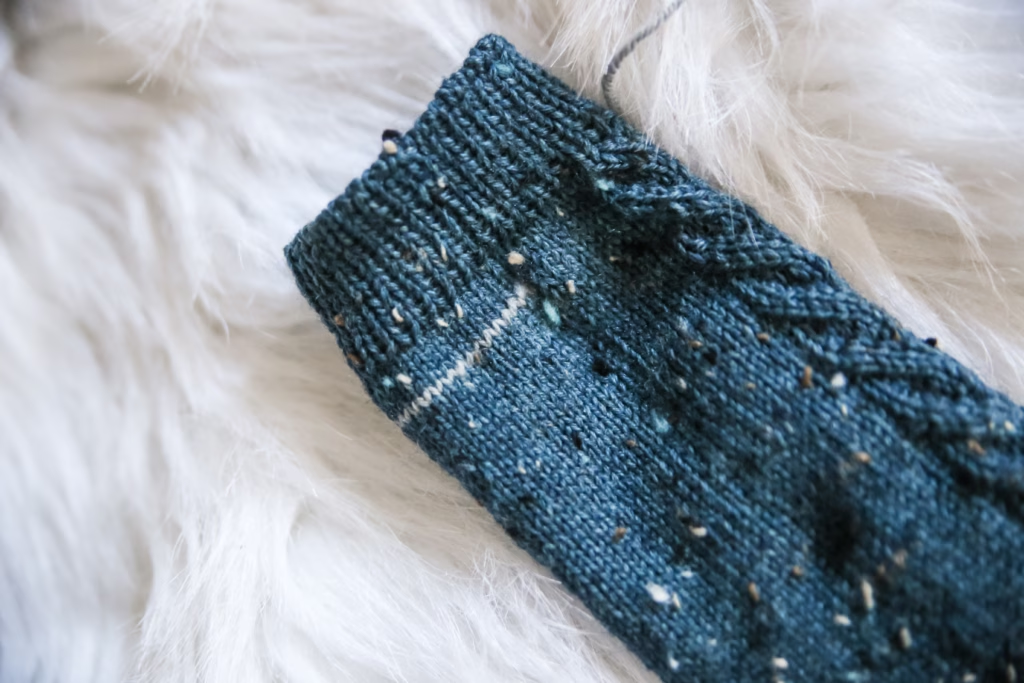
Gently remove the waste yarn one stitch at a time. You should now have two rows of live stitches with an opening between them.
You may notice a small gap at each side of the heel opening. Pick up one or two extra stitches in each corner to help close those gaps. These additional stitches can be decreased during the first few rounds.
Arrange the stitches evenly around your needles and join the sock yarn. Knit a few plain rounds, decreasing any extra corner stitches as needed.
To shape the heel, work decreases at both sides of the heel every other round. A common decrease round looks like this:
Needle 1: Knit 1, slip-slip-knit, knit to the last 3 stitches, knit 2 together, knit 1.
Repeat the same decrease placement on the second half of the heel stitches.
Alternate one decrease round with one plain knit round until approximately one-third of the original heel stitches remain. For a rounder heel, you can work the final few decrease rounds consecutively.
When the heel has reached the desired depth, close the remaining stitches using Kitchener stitch. You may also use a three-needle bind-off, although it will create a slightly more noticeable seam.
Try the sock on before weaving in your ends. Check the corners of the heel for gaps and use the yarn tail to close any small openings neatly.
Which Sock Patterns Work Well With an Afterthought Heel?
An afterthought heel works especially well with simple sock tubes, colorwork socks, striped socks, and patterns where you do not want the heel construction to interrupt the design.
Here are a few knitting ideas to try:
These are a lovely choice for practicing this technique because the straightforward construction allows you to focus on the placement and shaping of the heel.
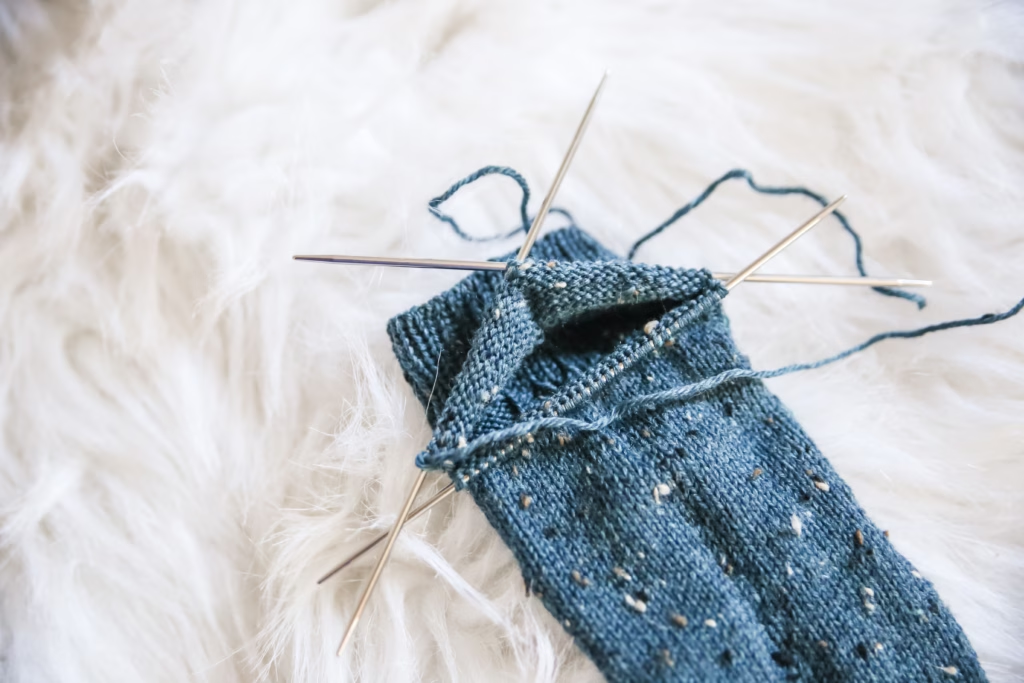
Once you understand how the waste yarn creates the heel opening, you can use this technique in many different sock patterns. It is also useful for replacing a worn-out heel because the heel section can be removed and reknit without unraveling the entire sock.
Afterthought heels are simple, adaptable, and a great skill to keep in your knitting toolkit.
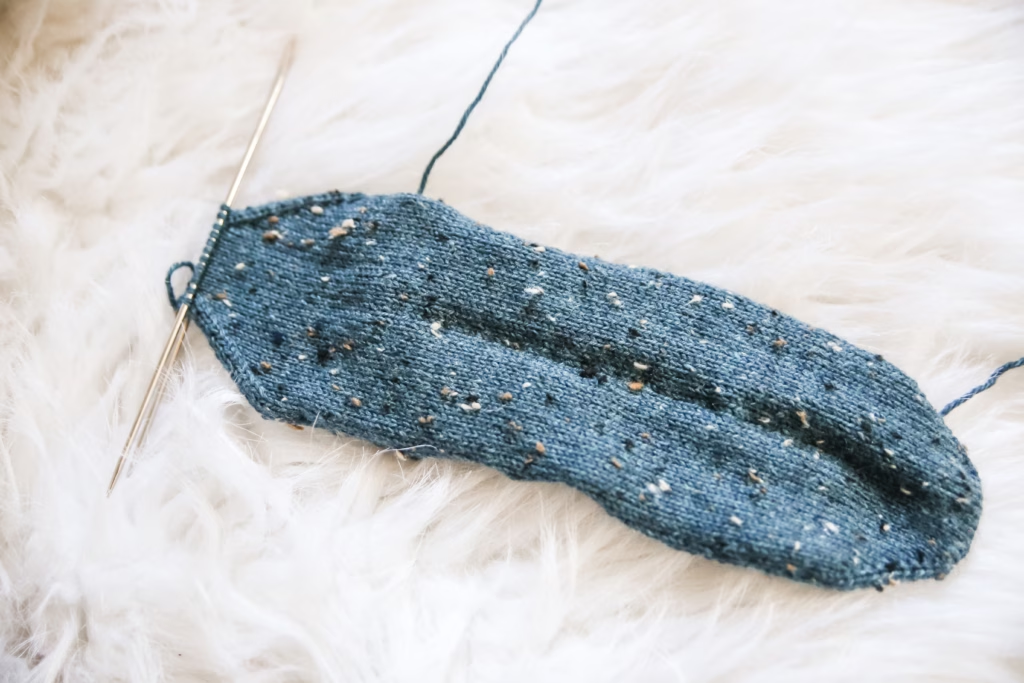
Have you tried knitting an afterthought heel before? Leave a comment and let me know which sock pattern you are planning to use for your first one!
This post may contain affiliate links. If you purchase something through one of these links, I may earn a small commission at no additional cost to you.