
These textured bonnet knitting patterns bring together ten designs from my collection of free bonnet knitting patterns, with something for knitters who enjoy seed stitch, cables, ribbing, lace, and little raised details. Start with the Roman Bonnet for bands of knit-and-purl texture, or choose another design based on the stitches you feel like knitting next. Whether you love watching a cable cross into place or settling into a familiar repeat, this collection helps you find a small project with the kind of detail you enjoy. Each pattern is free on my blog.
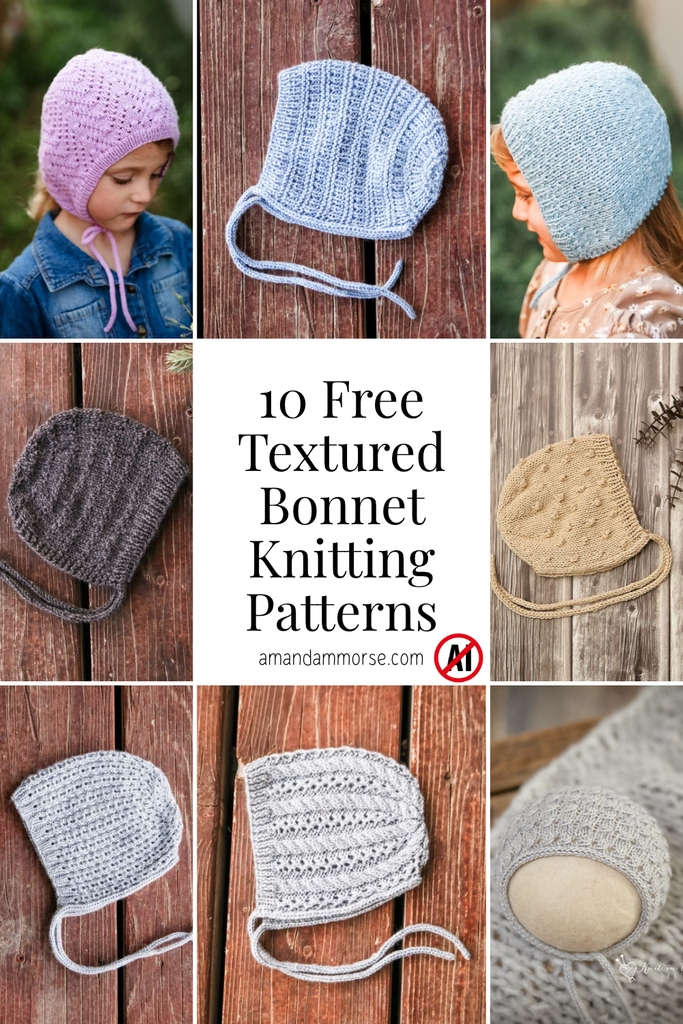
Sometimes the best way to choose a project is to think about the knitting itself. Do you want a steady knit-and-purl rhythm, a few eyelets, or something with a little more dimension? These bonnets give you plenty of ways to answer that question.
Textured Bonnet Knitting Patterns to Match Your Knitting Mood
I pulled together this collection because a bonnet’s stitch pattern can completely change the experience of making it. A classic shape gives you room to enjoy everything from subtle bumps to little bobbles, without committing to a sweater-sized project.
The Roman Bonnet is my starting point for this list. Smooth stockinette sections alternate with narrow textured bands, so you get that lovely contrast between tidy knit stitches and small purl bumps. A ribbed front edge and i-cord ties finish the design, and the texture continues through the crown.
If you enjoy seed-stitch-style texture and watching bands develop as you work, Roman is a lovely place to begin. Peace offers another approach to textured stripes, while Granite gives you an allover surface made with knit-one-below stitches.
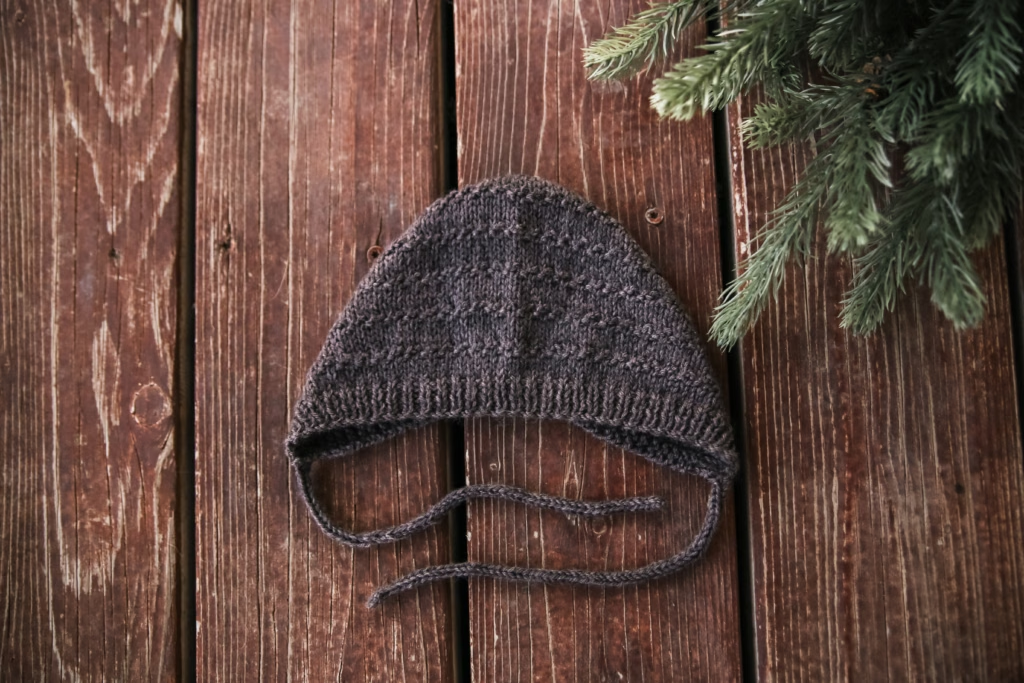
For knitters who enjoy more detailed stitch work, there are traditional cables, faux cables, lace, bobbles, and shells further down the list. You can choose a familiar technique or use a small bonnet to spend a little time practicing something different.
Read through the stitch instructions before choosing your project. Two bonnets can have a similar look while using quite different techniques to create it!
What Materials Do You Need for Textured Bonnets?
Start with the individual pattern’s yarn weight, yardage, and recommended tools. These designs use different yarn weights, so one set of supplies will not suit every bonnet on the list.
For the Roman Bonnet, I used KnitPicks Heatherly (affiliate link), a sport-weight yarn that lets the contrast between smooth fabric and textured bands show. The Peace Bonnet uses KnitPicks Mighty Stitch Fingering (affiliate link), while the Sorek Bonnet uses KnitPicks Capretta (affiliate link).
My guide to the best yarn for knitted bonnets will help you compare options before choosing your yarn. Think about softness, care instructions, and stitch definition as well as color.
A smooth yarn in a solid or gently heathered shade is a useful starting point when you want the stitches to stand out. Strong color changes or a fluffy surface can make small details harder to see.

Depending on the pattern, you may need tools for working flat, working a small circumference in the round, making i-cord, or seaming. A cable needle may also be helpful for traditional cables, depending on how you prefer to work them.
Check gauge in the stitch pattern specified before you cast on. Ribbing, lace, cables, and other textures behave differently, and a small change in gauge can make a noticeable difference to a fitted bonnet.
10 Free Textured Bonnet Knitting Patterns
Here are ten ways to enjoy a little stitch detail in your next bonnet. Start with Roman, then browse for the technique that sounds most enjoyable to you.
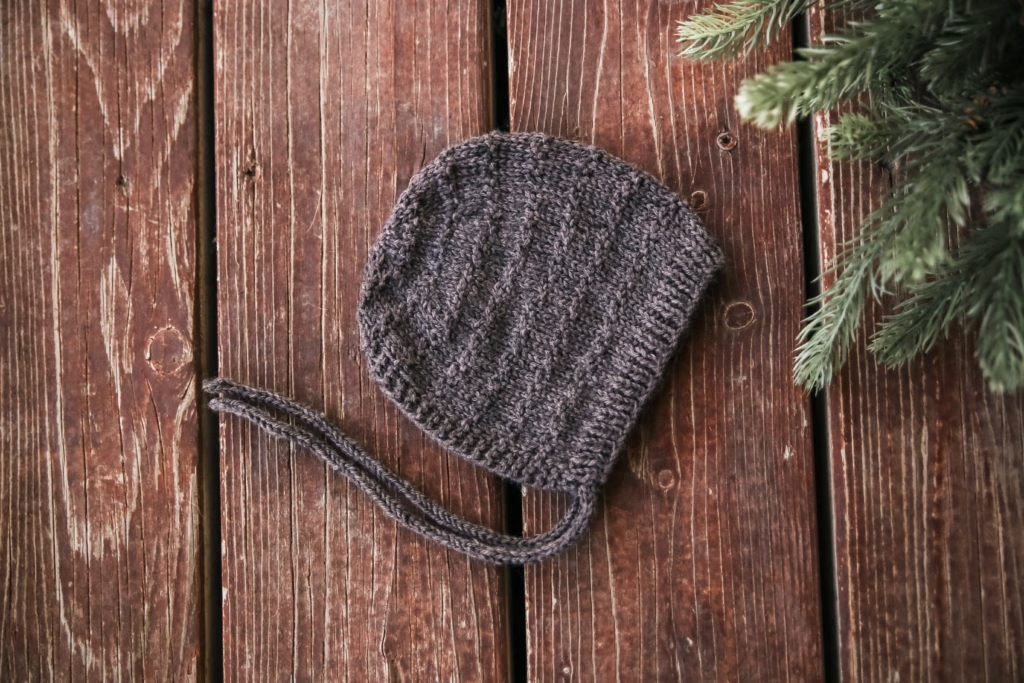
Roman Bonnet: Alternating stockinette and narrow knit-and-purl bands make this a lovely choice for knitters who enjoy seed-stitch-style texture. The textured bands continue through the crown, with a ribbed front edge and i-cord ties bringing everything together.
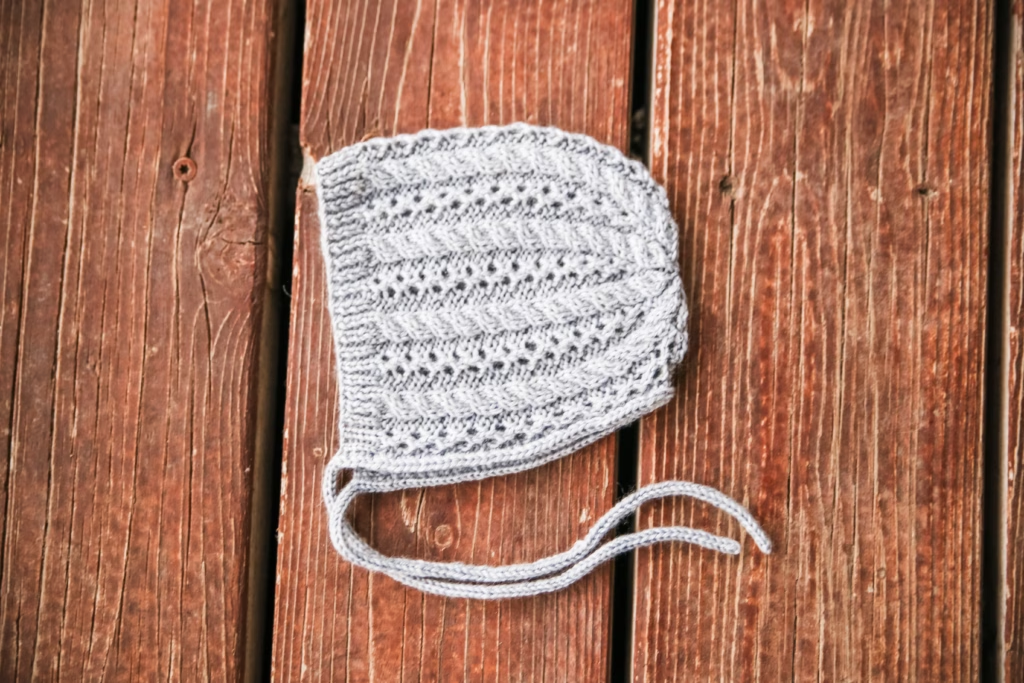
Sorek Bonnet: Choose Sorek when crossing cables is your favorite part of a project. Traditional cable stitches and little eyelet details give this lightweight bonnet both raised texture and openwork.
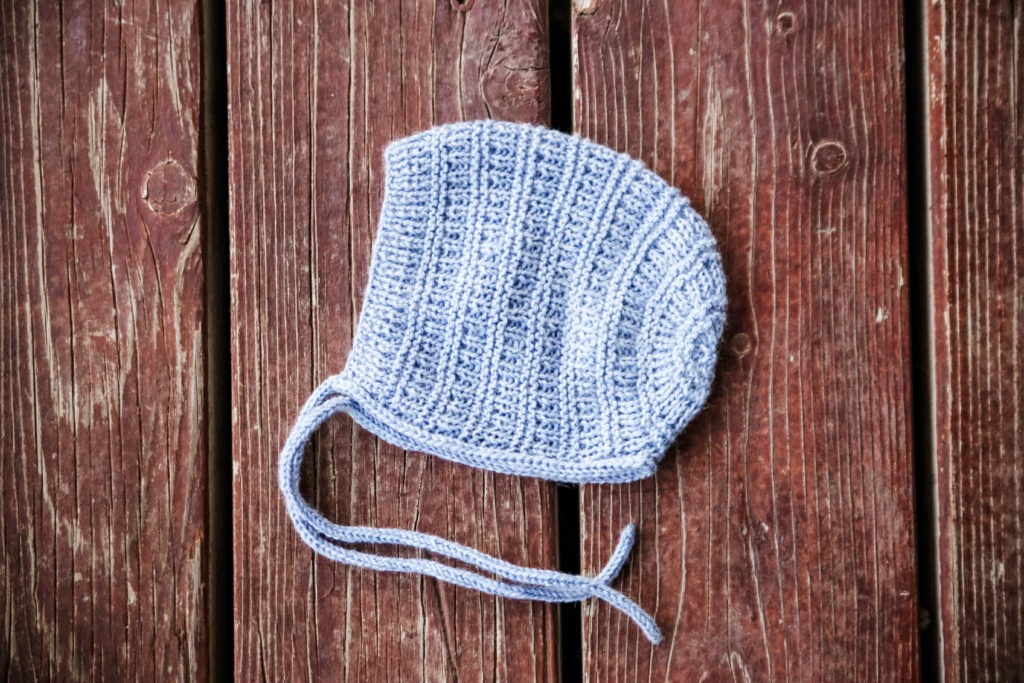
Peace Bonnet: Bands of garter stitch and 1×1 ribbing create stripes using the stitches themselves. This is a lovely option when you enjoy familiar knit-and-purl combinations and want to see two different textures side by side.

Granite Bonnet: Granite gets its allover texture from knit-one-below stitches. Try this one when you want a textured surface and would enjoy exploring a different way of working a knit stitch.

Sarah Bonnet: Sarah brings chevron lace into the collection, with a ribbed front edge framing the openwork. Choose it when you enjoy following yarn overs and decreases as they build a repeating lace design.
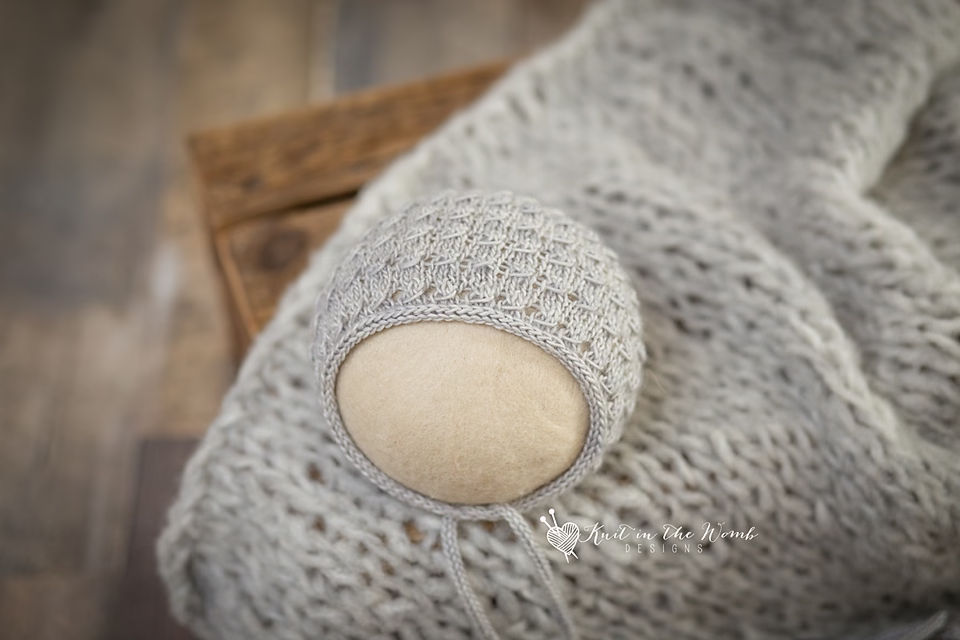
Asher Bonnet: Eyelet faux cables give Asher its distinctive stitch detail. This is a lovely choice if you enjoy the appearance of little twists and want to create that effect with yarn overs and passed stitches.

Chain Bonnet: Chain uses a modified center double decrease to create its chain-like faux cables. The bonnet is worked flat and seamed at the crown, making it worth a look if you enjoy back-and-forth knitting and an interesting stitch technique.

Mini Bobble Bonnet: Tiny bobbles add raised dots of texture across this bonnet. Pick this one when you enjoy dimensional stitches and the satisfaction of seeing each little bobble take shape.

Seaside Bonnet: Seaside features a knitted shell texture inspired by the look of a crochet shell bonnet. It offers a different kind of raised detail for knitters who enjoy working several stitches together and watching a shaped motif emerge.

Jacob Bonnet: Jacob combines narrow knit columns, a purl background, and eyelet details for a ladder-like effect. Try it when you want defined lines and a repeating pattern with a little openwork mixed in.
If several catch your eye, let the technique make the decision. Roman and Peace are good starting points for knit-and-purl texture, Sorek offers traditional cables, and Sarah gives lace lovers a pretty option.

Asher and Chain show how different two faux cable designs can look, while Mini Bobble and Seaside bring more pronounced surface detail. There is plenty to explore even when you stay with the same classic bonnet shape.
Choose the stitches you are most excited to work, check the pattern’s sizing and materials, and pick a color that lets that texture show. That sounds like a very good excuse to cast on another bonnet to me!
Which texture would you choose first—Roman’s textured bands, traditional cables, lace, or little bobbles? Tell me in the comments!
This post may contain affiliate links. If you make a purchase through one of these links, I may earn a small commission at no additional cost to you. Thank you for supporting my free knitting patterns!