
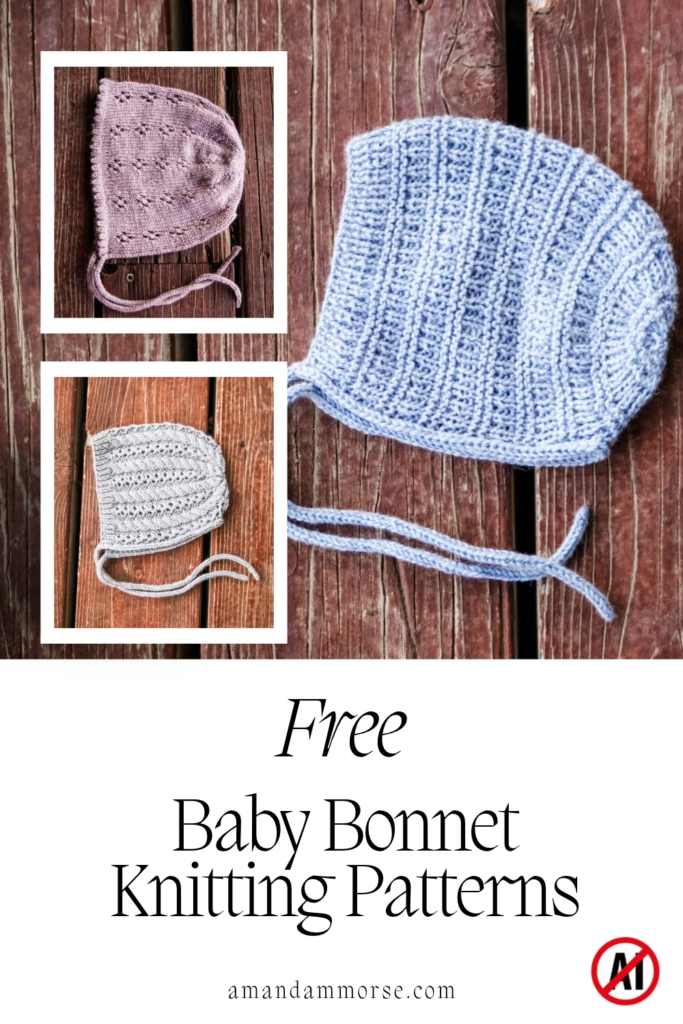
These baby bonnet knitting patterns bring together lace, cables, ribbing, and thoughtful finishing touches from my collection of free bonnet knitting patterns. If you love a classic bonnet shape but want something with a little more personality, there is plenty here to put on your knitting list. I’ve gathered ten designs that show just how much variety can fit into one small project, from the rib-and-garter stripes of the Peace Bonnet to delicate lace and tiny faux cables. The fun part is choosing which details you want to knit first!
Sometimes the stitch pattern catches your eye. Other times, it’s a picot hem or a neatly finished i-cord edge that makes you stop scrolling. This collection gives those little details their turn in the spotlight.
Baby Bonnet Knitting Patterns That Make the Details Count
I pulled together these baby bonnet knitting patterns because the finished look depends on so much more than the basic shape. Change the texture, the face-framing edge, or the way the crown comes together, and you have a completely different bonnet.
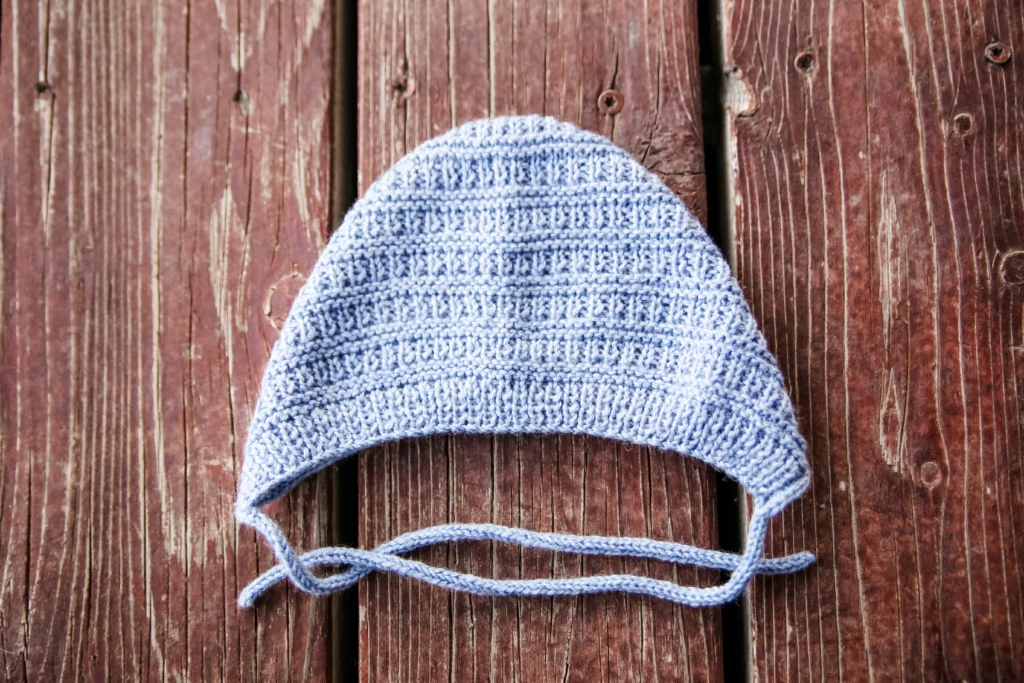
The Peace Bonnet is a lovely example. Alternating sections of 1×1 ribbing and garter stitch create stripes of texture, while applied i-cord adds a neat finishing touch. It has plenty to enjoy even without lace or cables.
Then there are designs like the Mary Bonnet, where a picot hem helps set the tone, and the Chain Bonnet, where faux cables and a seamed crown give you a different knitting experience. You can choose your next project based on the construction just as much as the finished fabric.
That is what keeps bonnet knitting interesting for me. You can return to a familiar little accessory and still have something new to work on, whether that means an edging technique, a lace repeat, or a different way to finish the back.
What Materials Do You Need for Baby Bonnet Knitting Patterns?
Start with the yarn weight, yardage, and needle recommendations in the individual pattern. These bonnets use different yarn weights, so one yarn and needle combination will not work for the whole list.
For the Peace Bonnet, I used KnitPicks Mighty Stitch Fingering and 3 mm knitting needles. The fine yarn lets the ribbing and garter ridges stand out without making the fabric bulky. It is also the yarn I used for the Lydia and Sarah Bonnets, which show how differently the same yarn can look from one stitch pattern to another.
If you are deciding between yarns, my guide to the best yarn for knitted bonnets is a good place to compare options. Think about softness, care requirements, and how clearly you want the stitches to show.
Depending on the design, you may also need double-pointed needles for the crown or i-cord, a yarn needle for seaming and weaving in ends, and a cable needle if that is your preferred way to work cables.
Check your gauge before choosing a size, especially if you substitute yarn. A small project still needs the right fit, and a few extra stitches per inch can make a noticeable difference in a baby bonnet.
10 Free Baby Bonnet Knitting Patterns to Explore
Each of these bonnets has a detail that gives it its own look. Start with Peace for textured stripes and applied i-cord, then compare the lace, cables, and finishing choices throughout the collection.
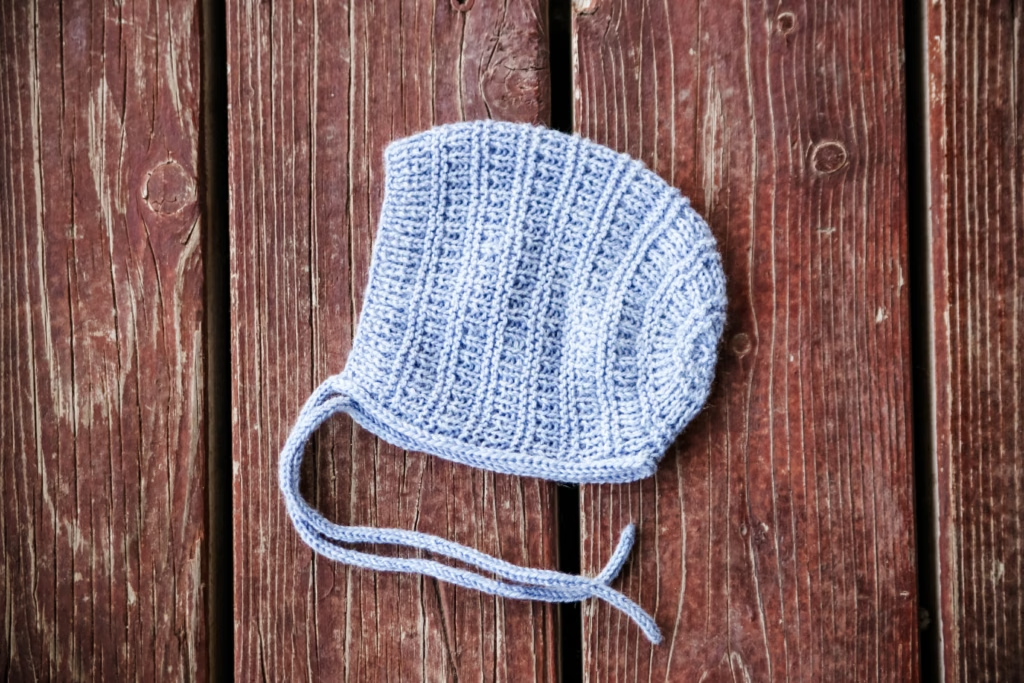
Peace Bonnet: Alternating stripes of 1×1 ribbing and garter stitch give this bonnet its texture, with applied i-cord adding a polished finish. It is worked flat to the crown, then joined in the round to close the back, making the construction part of the fun, too.
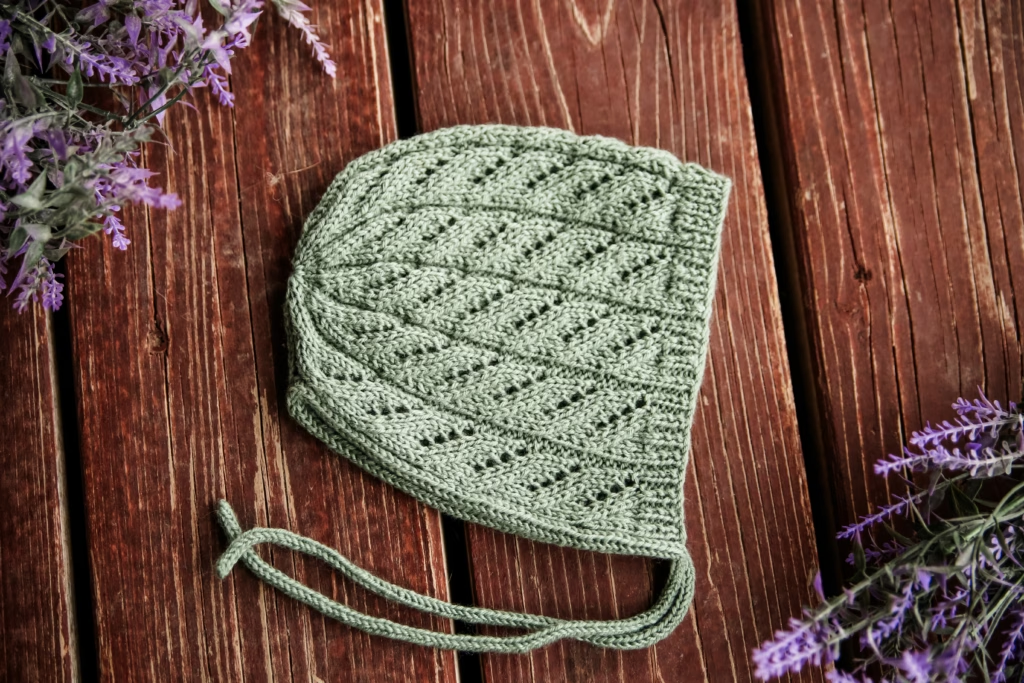
Lydia Bonnet: A ribbed front edge leads into vertical texture made with yarn overs and decreases, followed by a crown worked in the round. Applied i-cord edging and matching ties bring the finishing details together.

Granite Bonnet: The allover knit-one-below texture gives this bonnet a distinctive surface without relying on lace or cable crossings. It is worked flat before joining in the round for the crown and finished with i-cord ties.

Sarah Bonnet: Chevron lace and a ribbed front edge give Sarah a pretty combination of openwork and structure. The lace continues into the crown shaping, with i-cord finishing adding a tidy final detail.
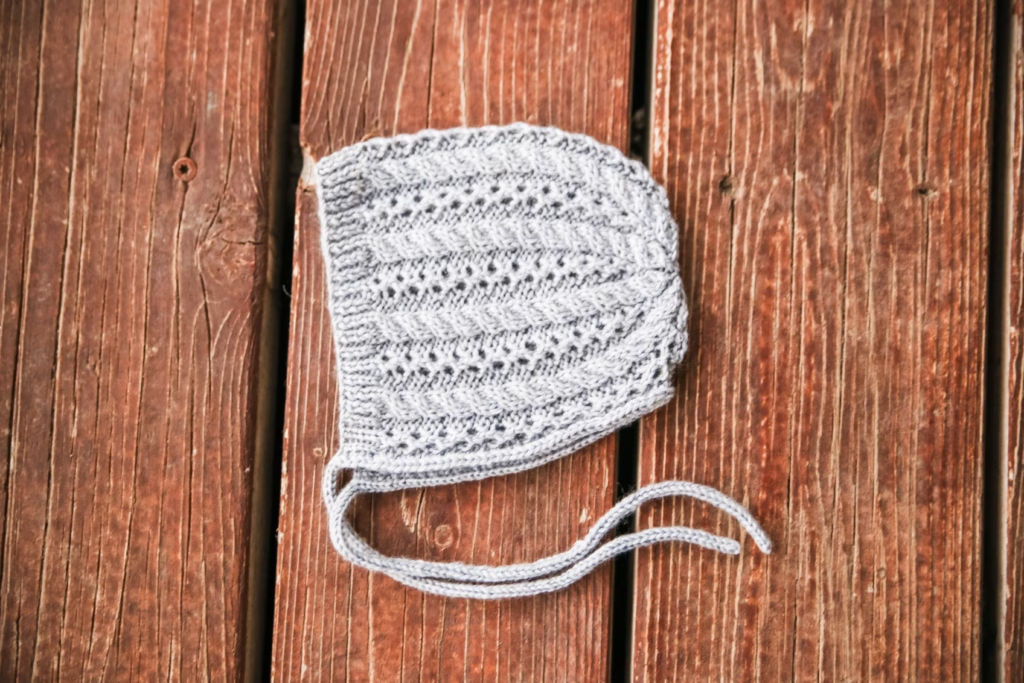
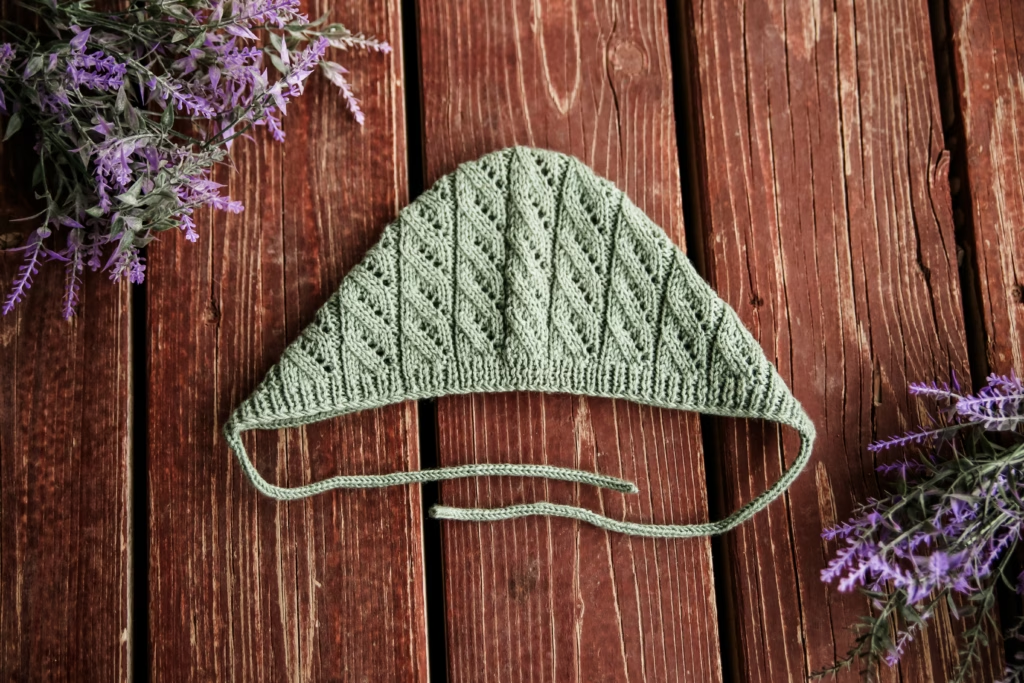
The Sorek Bonnet: Choose Sorek when you want cable texture in a lightweight bonnet. The raised stitch detail gives the classic shape plenty of interest without needing a bold color to draw attention.

Simone Bonnet: Simone features delicate lace in fingering-weight yarn for a light, detailed fabric. It uses the same lace stitch as my Simone Socks, so you may recognize the motif if you have knit those already.

Chain Bonnet: The chain-like faux cables use a modified center double decrease to create their distinctive texture. This bonnet is knit flat and seamed at the crown, offering a different construction from the designs finished in the round.

Mary Bonnet: A picot hem frames the face, while delicate lace gives the body its detailed look. The flat construction, seamed finish, and i-cord ties make this a lovely choice when you enjoy seeing each finishing step bring a project together.

Ocean Bonnet: Ocean pairs a wave-like feather-and-fan detail with a picot hem and i-cord ties. The contrast between the decorative edging and quieter fabric gives this bonnet a look all its own.

Prairie Bonnet: Prairie brings subtle faux-cable texture and flat construction to the collection. An optional crochet edging gives you another way to personalize the finished bonnet.
There is no need to settle on one favorite forever. You might feel like knitting textured stripes this week and a lace bonnet the next—and that is a perfectly reasonable excuse to save a few patterns.
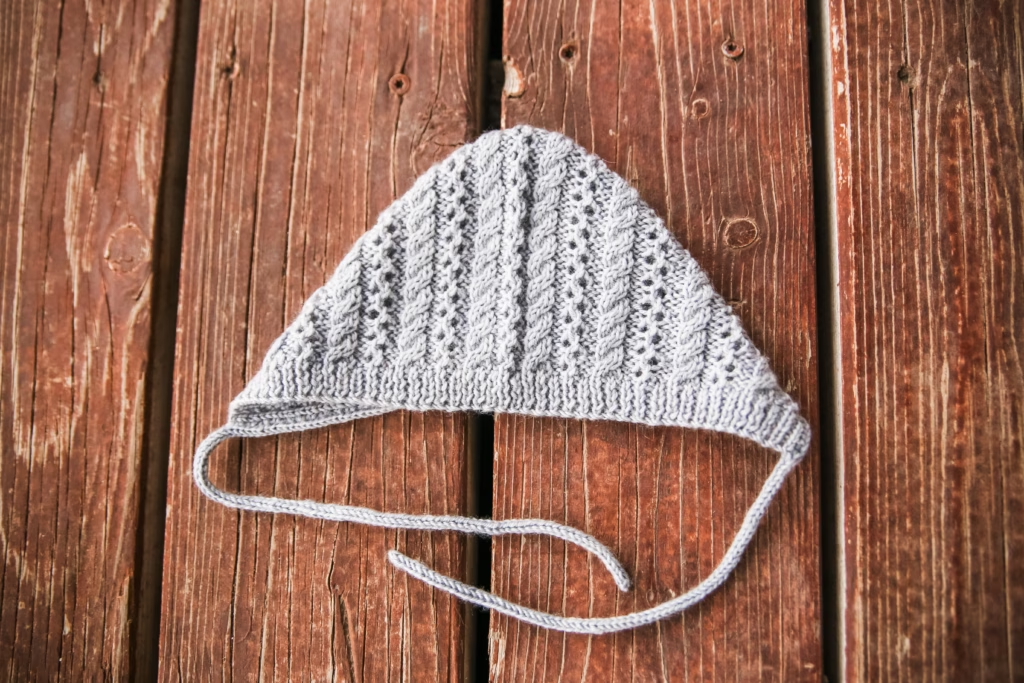
If you are deciding where to start, take another look at the Peace Bonnet. Its combination of ribbing, garter stitch, and applied i-cord shows how much character you can create with familiar stitches and thoughtful finishing.
Which detail would you choose first: applied i-cord, a picot hem, cables, or lace? Tell me in the comments!
This post contains affiliate links. If you make a purchase through one of these links, I may earn a small commission at no additional cost to you. Thank you for supporting my free knitting patterns!